







Uncover the secrets of Sikkim's climate and the best times to explore this enchanting Himalayan state with our detailed month-by-month travel guide.
1. January: Embrace the Winter Wonderland
Experience Sikkim's serene beauty under a blanket of snow
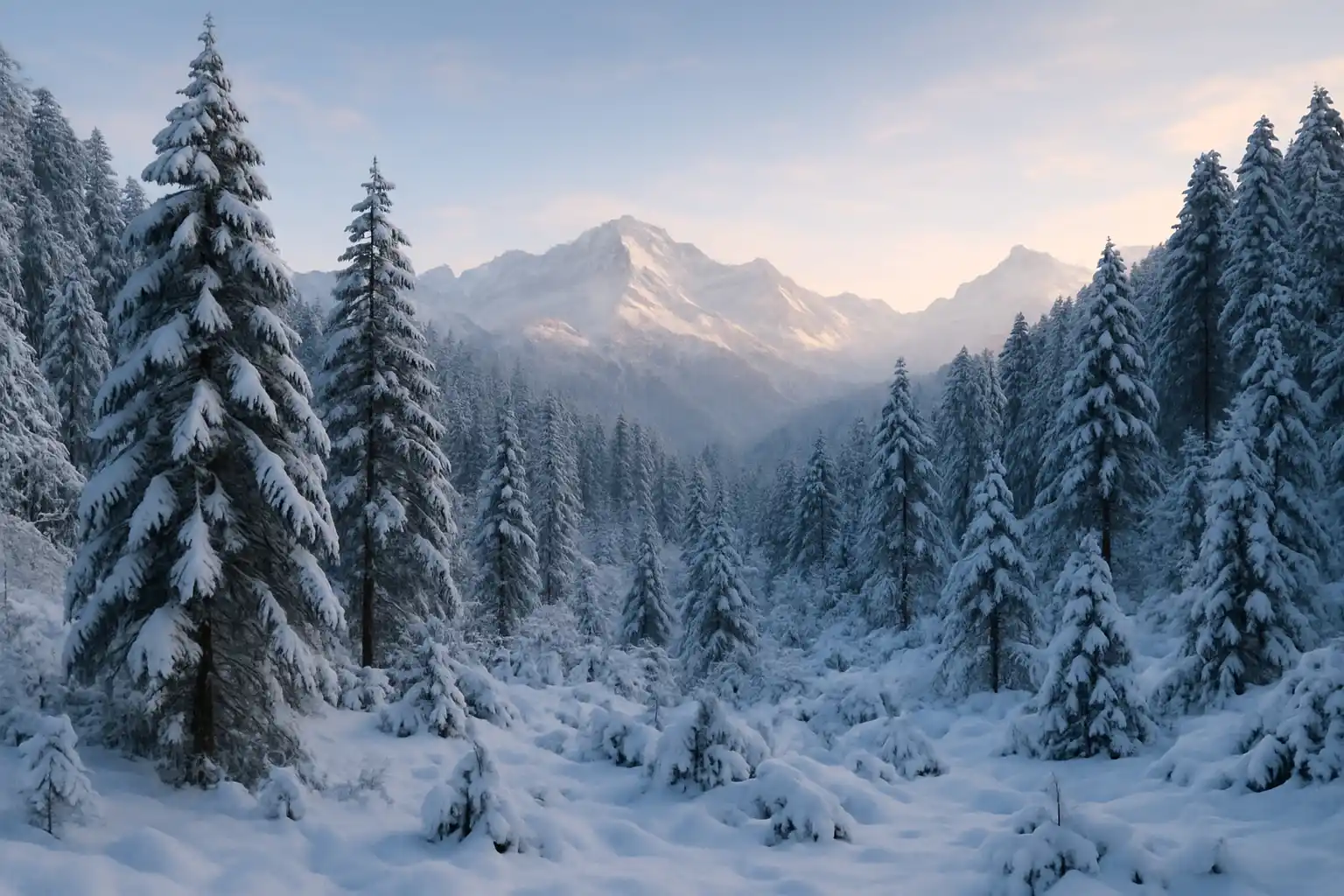
January is one of the coldest months in Sikkim, with temperatures often dipping below freezing, particularly in higher altitudes. The landscape transforms into a winter wonderland, making it an ideal time for snow enthusiasts. Popular activities during this month include snow trekking and visiting the serene Tsomgo Lake, which remains frozen in part, offering stunning views.
However, the cold can be biting, so ensure you pack sufficient warm clothing. The clear skies provide excellent visibility for photography, showcasing Sikkim’s majestic mountains like Kanchenjunga. Additionally, January offers a chance to experience the local winter festivals, which are rich in culture and tradition.
- Timings: Best to visit during the daytime when temperatures are slightly higher.
- Entry Fee: No entry fees for natural attractions; however, fees might apply for certain trekking permits.
2. February: The Last of the Winter Chill
A quiet time to explore Sikkim’s pristine landscapes
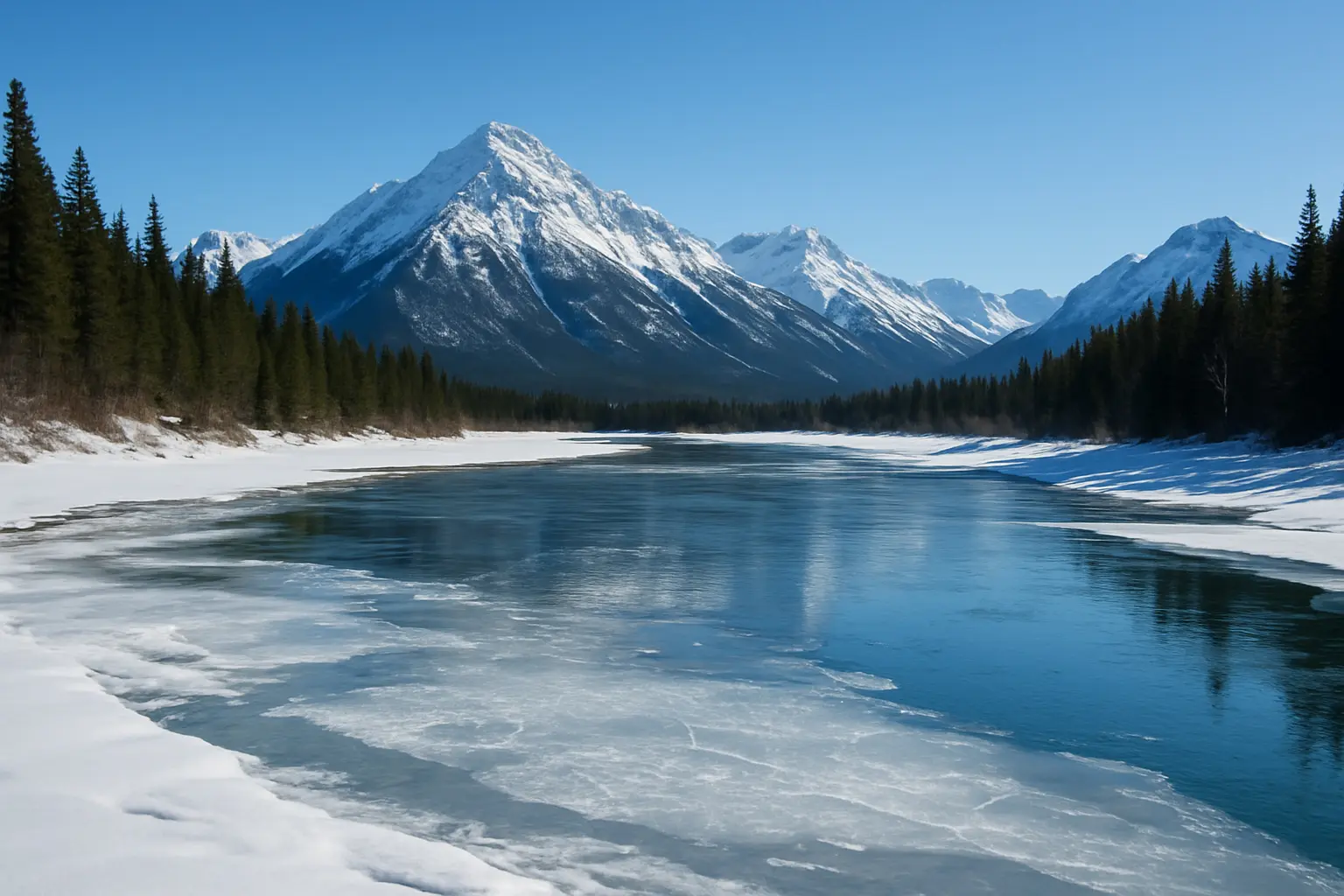
February continues the cold trend, but the weather begins to ease slightly as the month progresses. With fewer tourists around, it’s a great time to explore Sikkim's hidden treasures without the crowds. You can visit Nathula Pass, which is often accessible during this month, offering breathtaking views of the Indo-China border.
As the days get longer, the stunning sunrises and sunsets over the mountains are spectacular. Don't miss the chance to experience local cuisine in cozy eateries, where you can warm up with traditional Sikkimese dishes like thukpa and momos.
- Timings: Daytime visits recommended for warmth.
- Entry Fee: Check for Nathula Pass permit requirements.
3. March: The Arrival of Spring
Witness the blossoming of flora and fauna
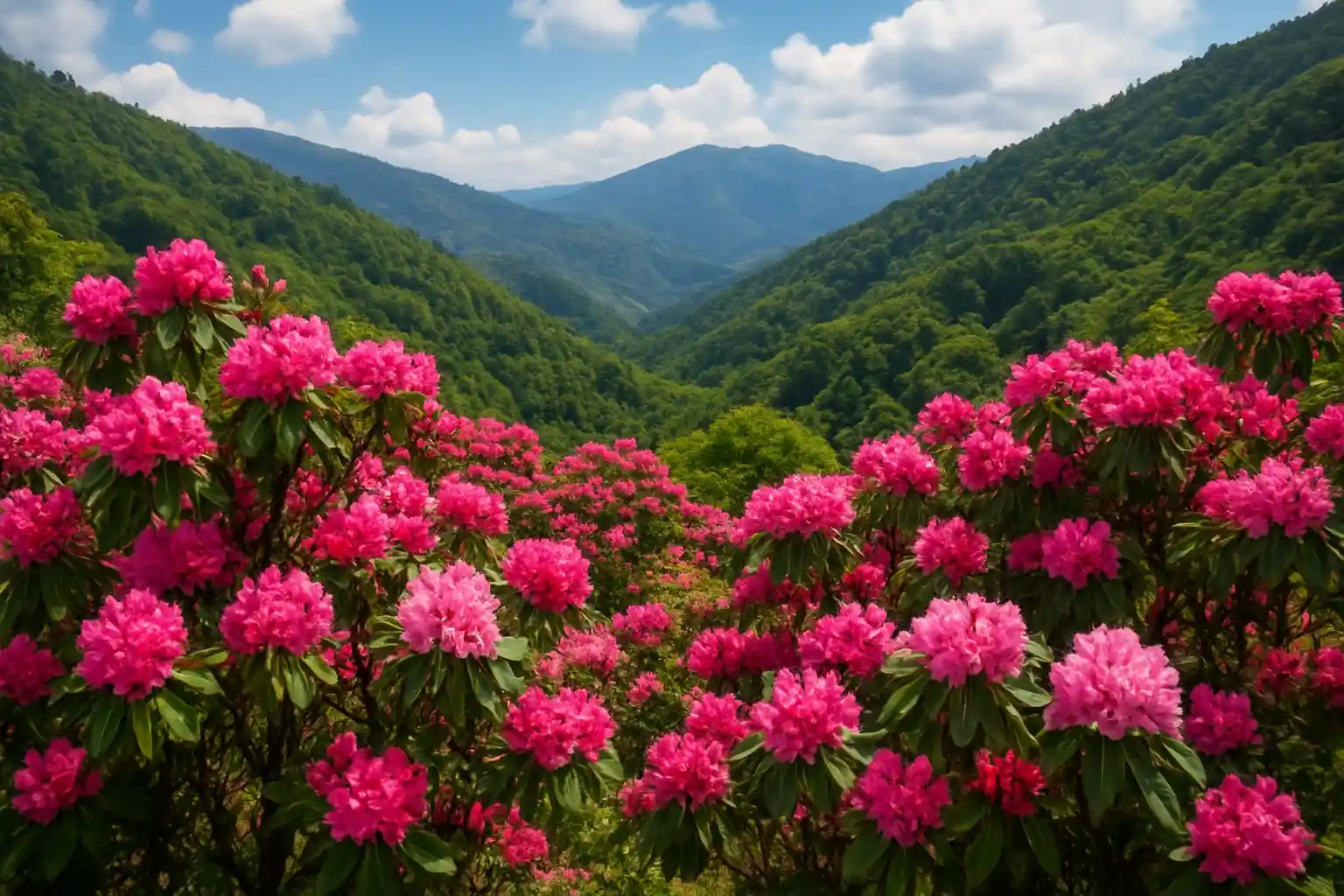
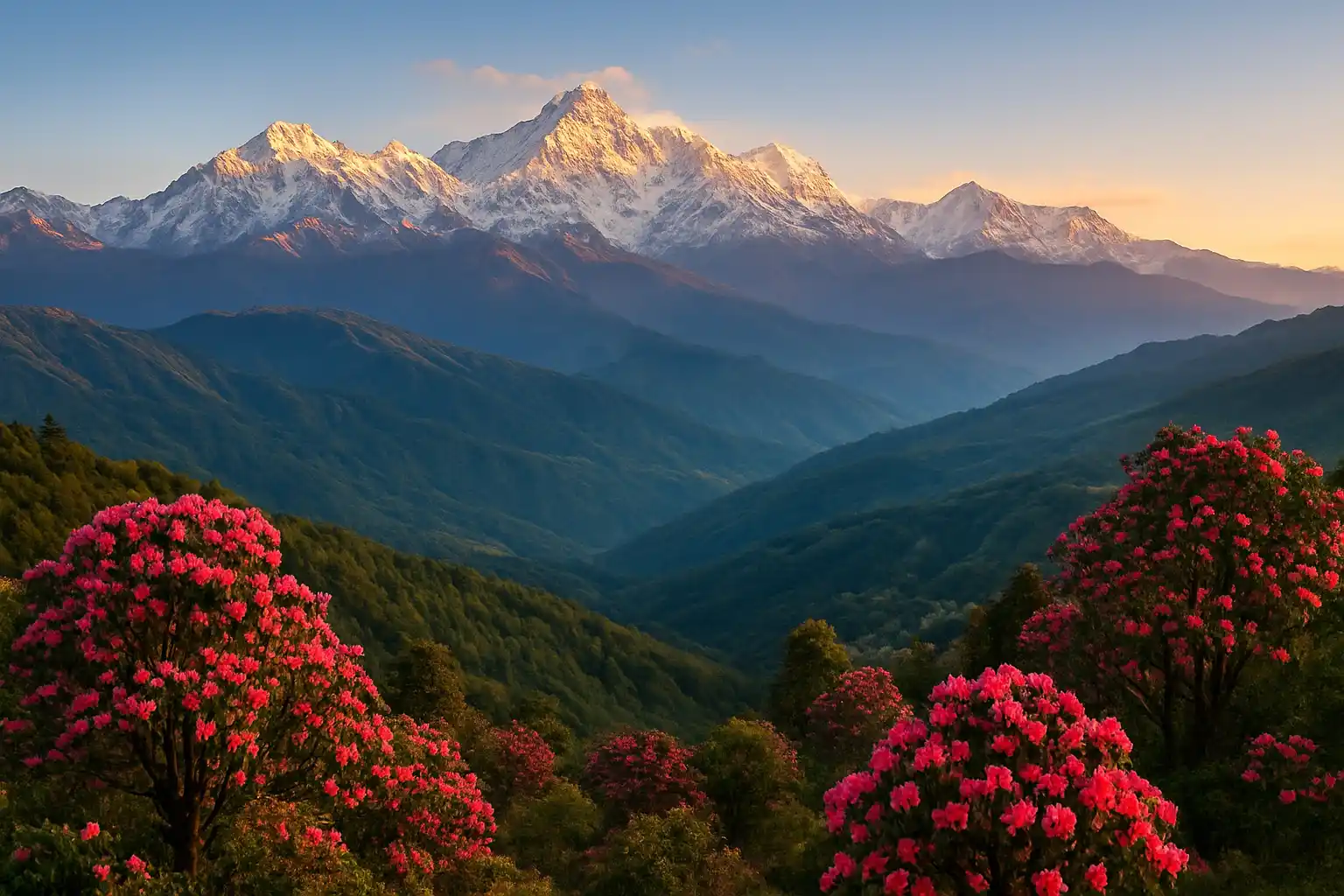
March marks the transition into spring, bringing warmer temperatures and a burst of blooms across Sikkim. This month is ideal for nature lovers and photographers wanting to capture the vibrant colors of rhododendrons and other flowers. The weather is pleasant, making it perfect for outdoor activities like hiking and exploring the rich biodiversity of the region.
Popular spots during this time include Yumthang Valley, known for its stunning landscapes and hot springs. The Sikkimese New Year, Bhanu Jayanti, is celebrated with zeal, giving travelers a chance to immerse themselves in local culture.
- Timings: All-day exploration is enjoyable.
- Entry Fee: Minimal fees for national parks and protected areas.
4. April: Peak Spring Season
Perfect weather for trekkers and adventurers
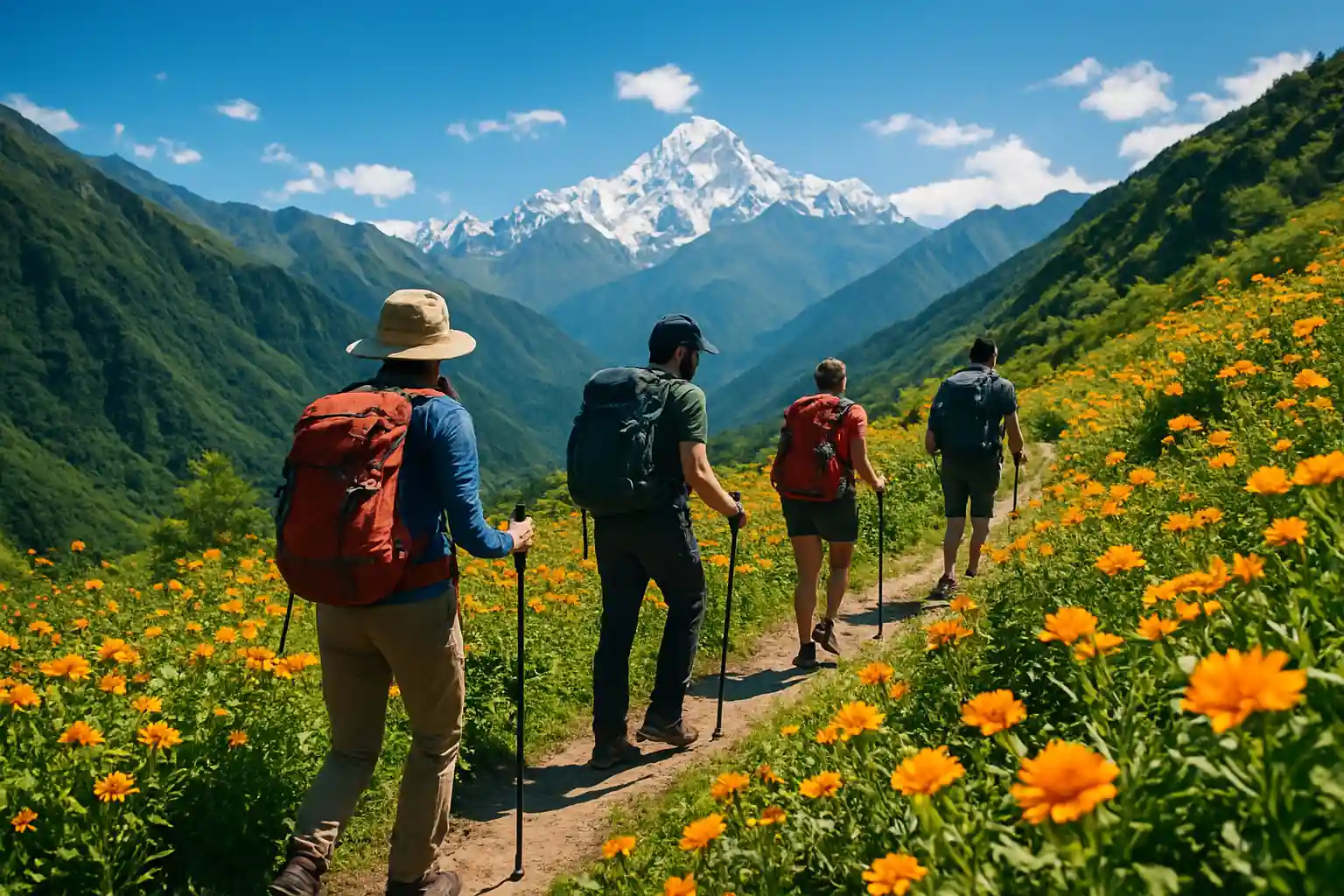
April is one of the best months to visit Sikkim, with clear skies and mild temperatures making it ideal for trekking and sightseeing. Adventure seekers can take on various treks, such as the Dzongri trek, which offers stunning views of the Kanchenjunga range and lush green landscapes.
Additionally, local festivals like the Bhumchu Festival draw visitors to witness the unique cultural practices of the Sikkimese people. Enjoy the local cuisine at homestays and savor dishes that reflect the rich culinary heritage of the region.
- Timings: Ideal for all-day activities.
- Entry Fee: Check for any trekking permits required.
5. May: The Joy of Summer
Explore lush landscapes and vibrant festivals
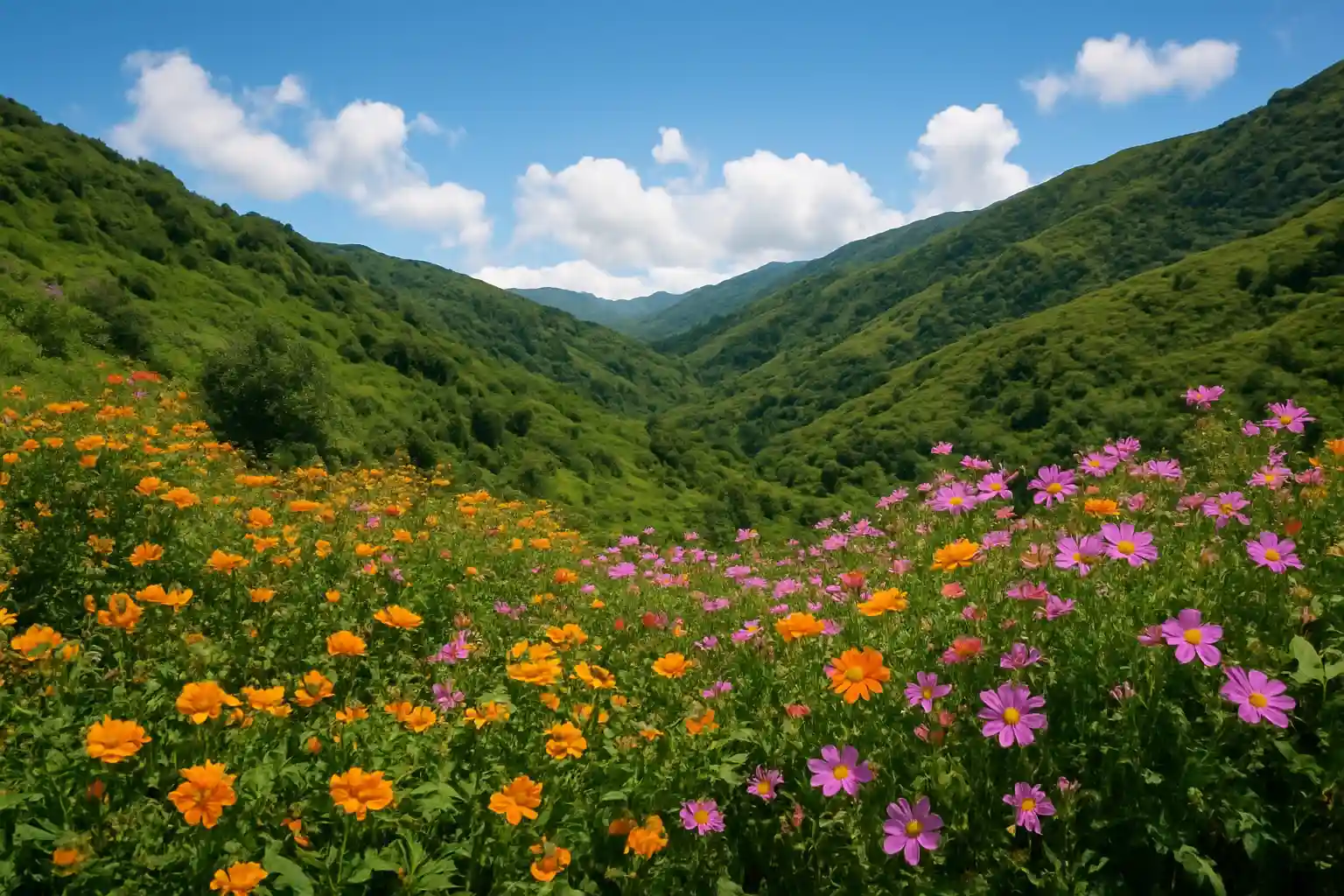
May brings summer to Sikkim, with temperatures rising but still manageable, making it a great time to explore the region’s natural beauty. The landscapes are lush and teeming with life, and the flora is at its peak. This is also the time when various festivals are celebrated, including the Buddha Jayanti, which showcases the rich Buddhist culture of Sikkim.
Adventure activities such as river rafting in the Teesta River become popular, and local markets are bustling with life, offering a chance to shop for unique handicrafts and souvenirs. Don’t miss out on tasting seasonal fruits like apricots and cherries.
- Timings: Typically cool in the mornings, warmer afternoons.
- Entry Fee: No major fees for public attractions.
6. June: The Monsoon Begins
A lush green paradise but prepare for rain
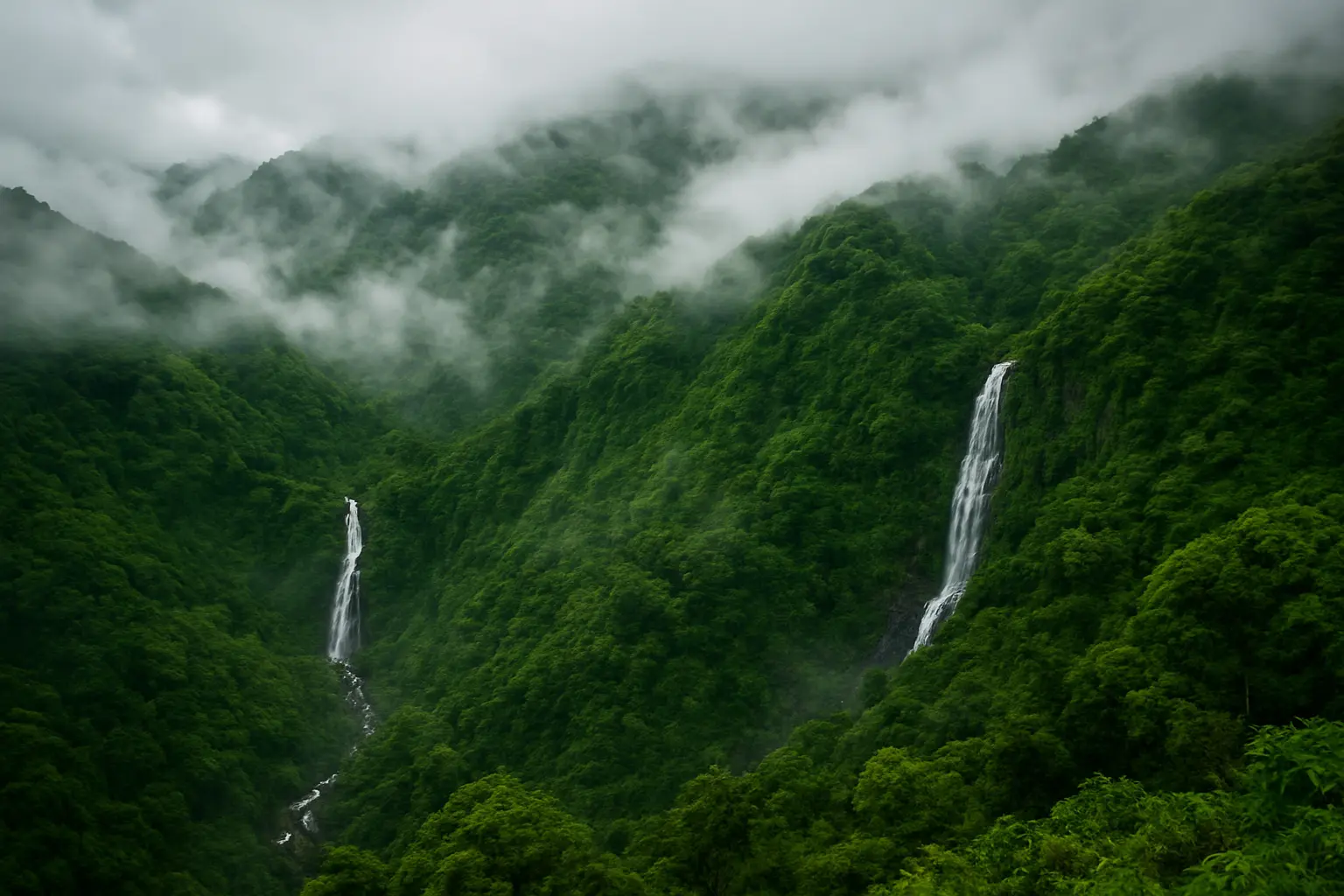
June marks the onset of the monsoon season in Sikkim, bringing heavy rainfall that transforms the landscape into a vibrant green paradise. While the rain creates a breathtaking backdrop, it can also disrupt travel plans, so be prepared for occasional landslides and road closures.
This is a great time for those who love to experience the raw beauty of nature and enjoy the lush scenery. However, be cautious and check weather conditions before planning your trips. The waterfalls are at their most impressive during this month, providing excellent photo opportunities.
- Timings: Morning explorations are recommended before heavy rains.
- Entry Fee: Minimal fees for natural sites.
7. July: The Heart of the Monsoon
Experience the beauty of rain-soaked landscapes
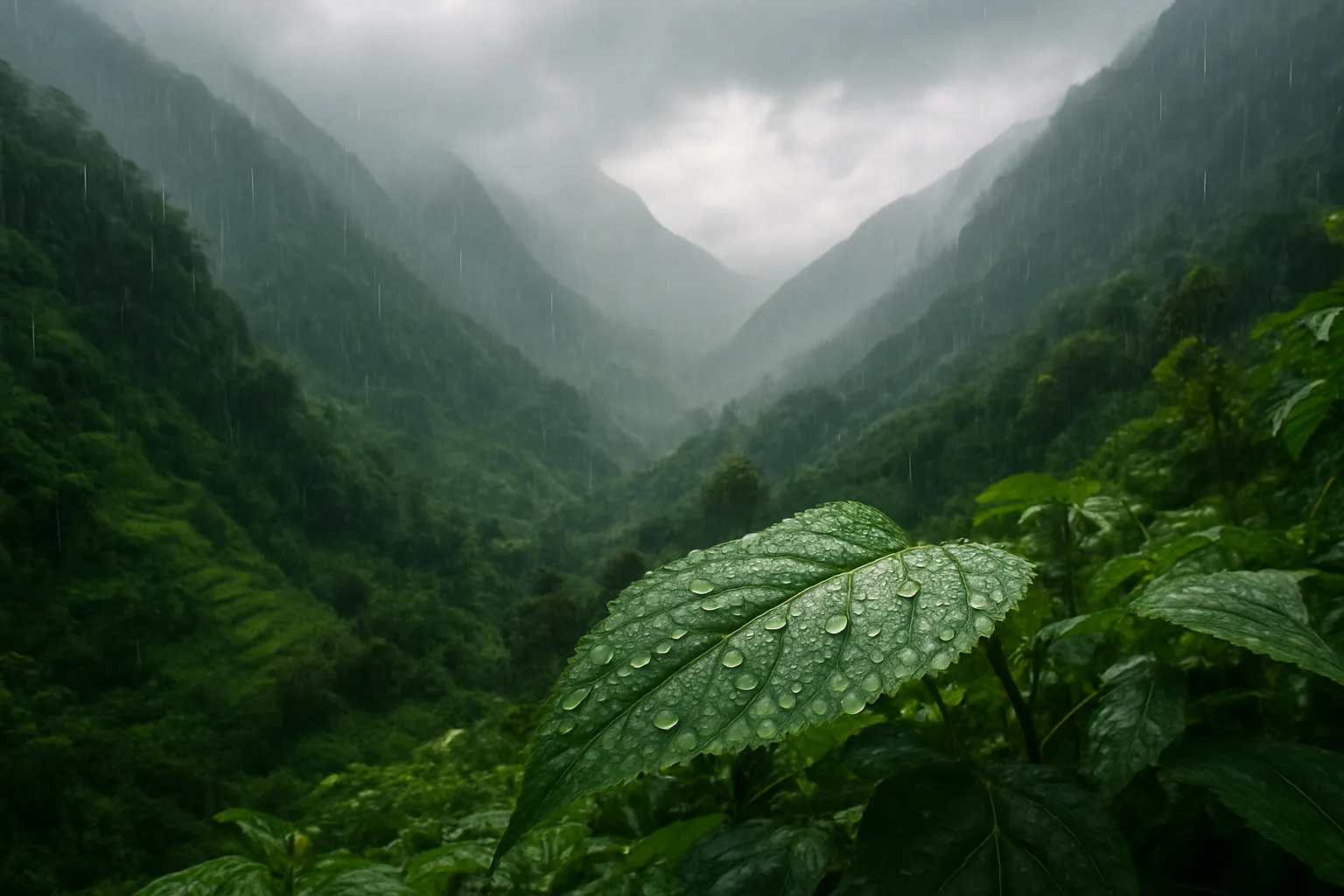
July is the peak of the monsoon season in Sikkim, characterized by heavy rainfall and lush greenery. While this month may not be ideal for trekking due to slippery trails, it offers a unique experience for those who appreciate the beauty of rain-soaked landscapes and the tranquil ambiance that comes with it.
Waterfalls are in full flow, and the hills are alive with the sound of rain. It’s an excellent time to cozy up in a local homestay and enjoy the warm hospitality of Sikkimese people while indulging in local delicacies. However, be mindful of travel plans as some areas may experience road closures.
- Timings: Daytime activities can be limited; best to explore in the mornings.
- Entry Fee: Check for any applicable permit fees.
8. August: The Monsoon Continues
A tranquil atmosphere with vibrant greenery
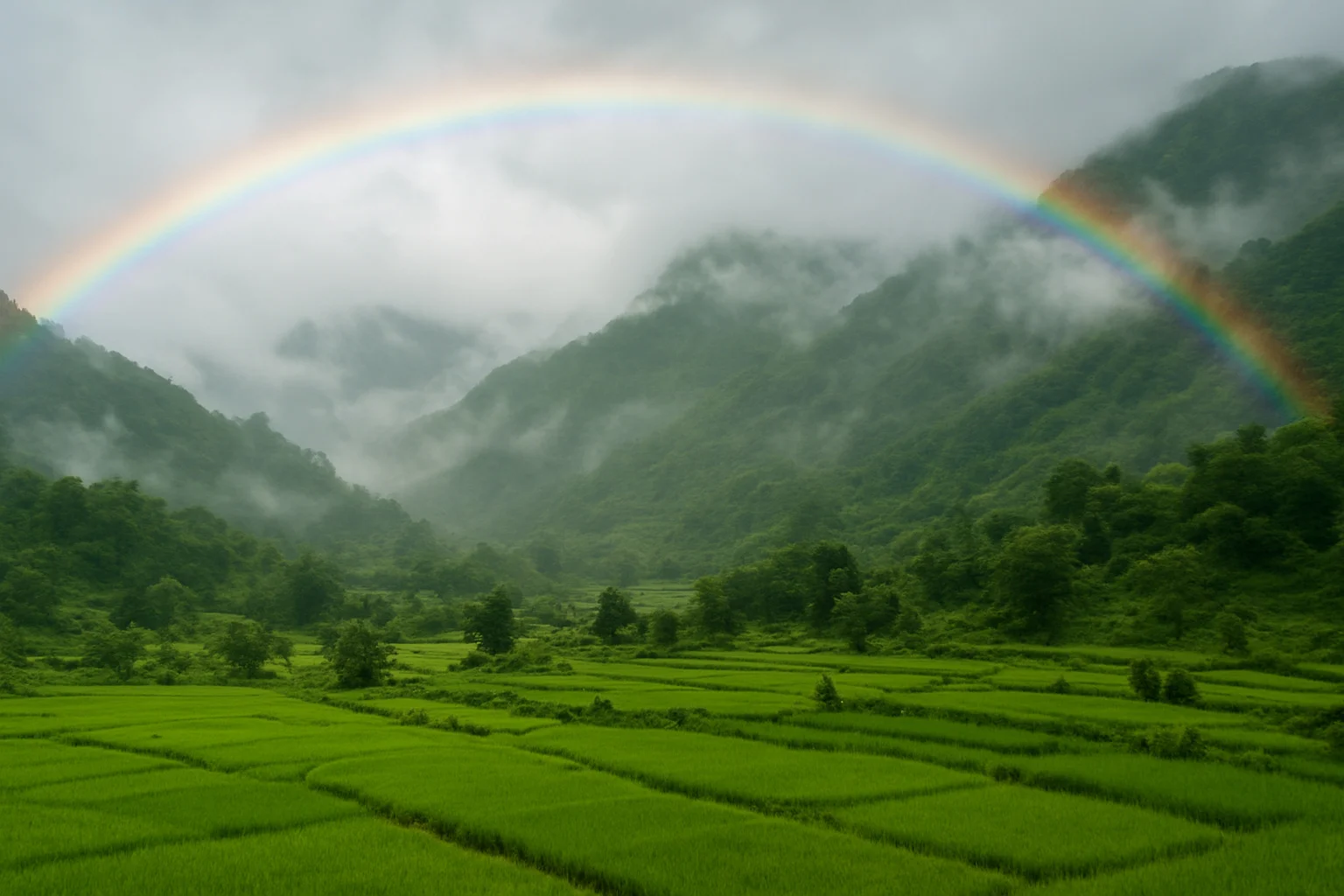
August continues the monsoon season, offering a peaceful and tranquil atmosphere. The rains begin to taper off towards the end of the month, and the landscape is at its most vibrant. This is a great time for photography enthusiasts to capture Sikkim's lush beauty, especially with the occasional rainbow appearing after the rain.
While trekking may still be challenging, exploring the local culture and enjoying the festive atmosphere during the festivals like the Chhar Dham Yatra can be rewarding. The cooler temperatures make it a comfortable time to explore the rich biodiversity of Sikkim’s parks and sanctuaries.
- Timings: Mornings are ideal for local explorations.
- Entry Fee: Minimal fees for local attractions.
9. September: The Retreat of the Monsoon
Clear skies and stunning landscapes await
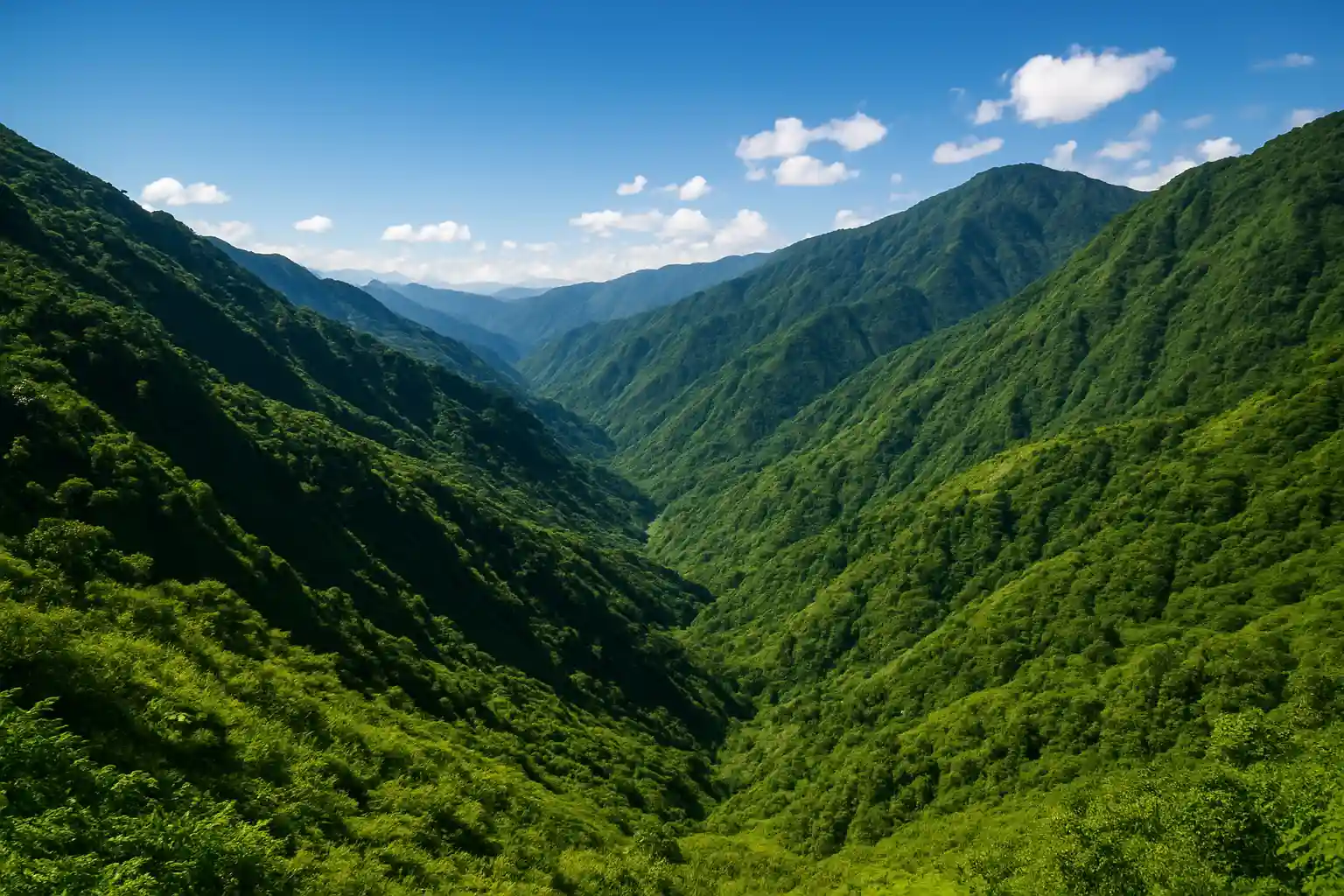
September marks the retreat of the monsoon, offering clear skies and stunning landscapes that are perfect for outdoor activities. The air is fresh, and the views of the mountains become crystal clear, making it one of the best months for trekking and sightseeing.
Popular trekking routes like Goecha La become accessible, drawing adventure seekers from around the world. It's also a great time to visit the many monasteries that Sikkim is famous for, where visitors can learn about the rich Buddhist culture and enjoy the serene atmosphere.
- Timings: All-day exploration is enjoyable.
- Entry Fee: Check for specific trekking permits.
10. October: The Peak Tourist Season
Ideal weather for sightseeing and festivals
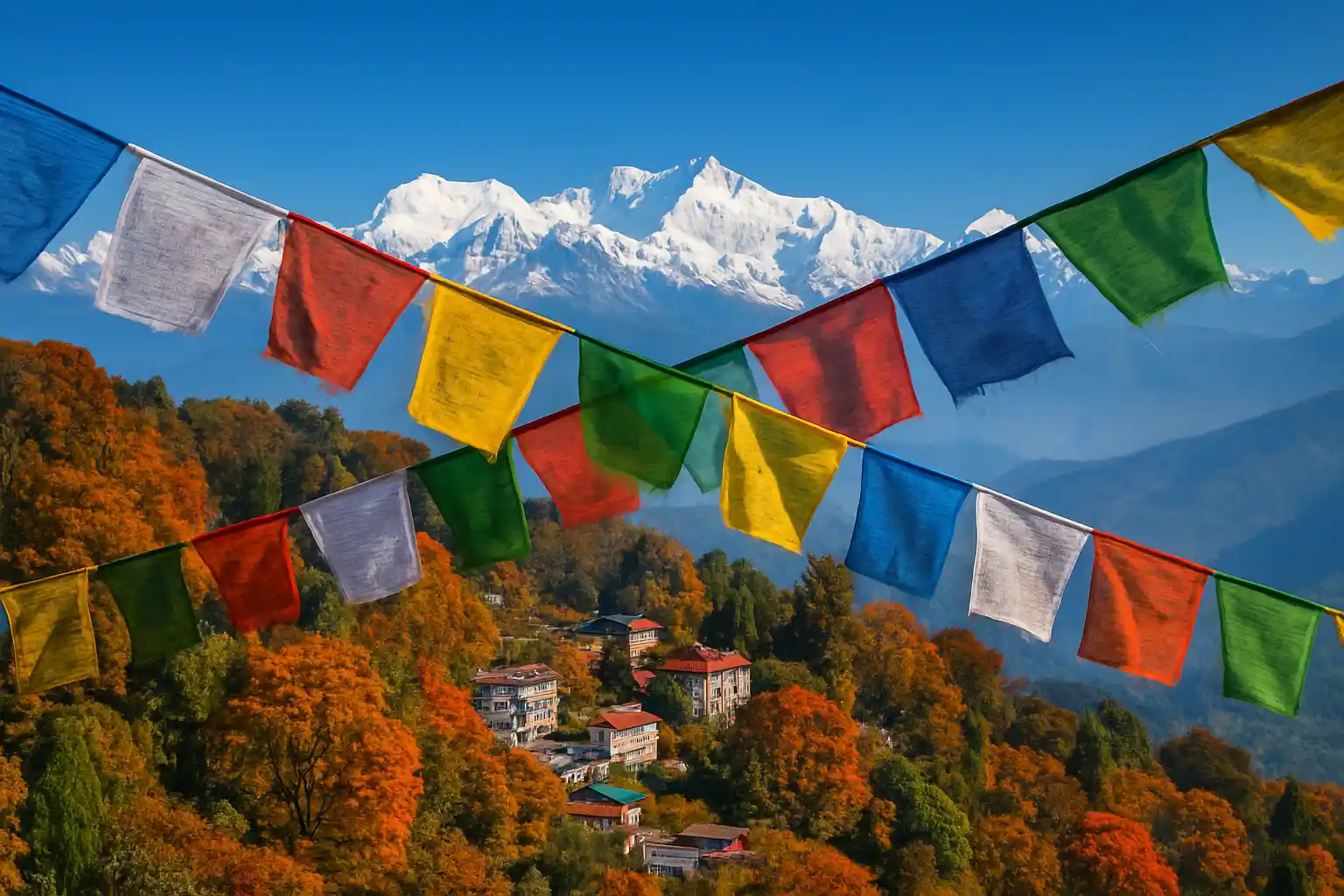
October is one of the most sought-after months to visit Sikkim due to its pleasant weather and stunning views. The landscape is adorned with autumn colors, and the clear skies provide an excellent backdrop for photography. Popular activities include trekking, visiting tea gardens, and exploring the vibrant local markets.
This month also hosts several local festivals, including the Dasain and Tihar festivals, where the streets come alive with cultural celebrations. It's advisable to book accommodations in advance, as this is peak season.
- Timings: Best for all-day outdoor activities.
- Entry Fee: Minimal fees for nature parks and historical sites.
11. November: A Blissful Autumn
Enjoy the last of the pleasant weather
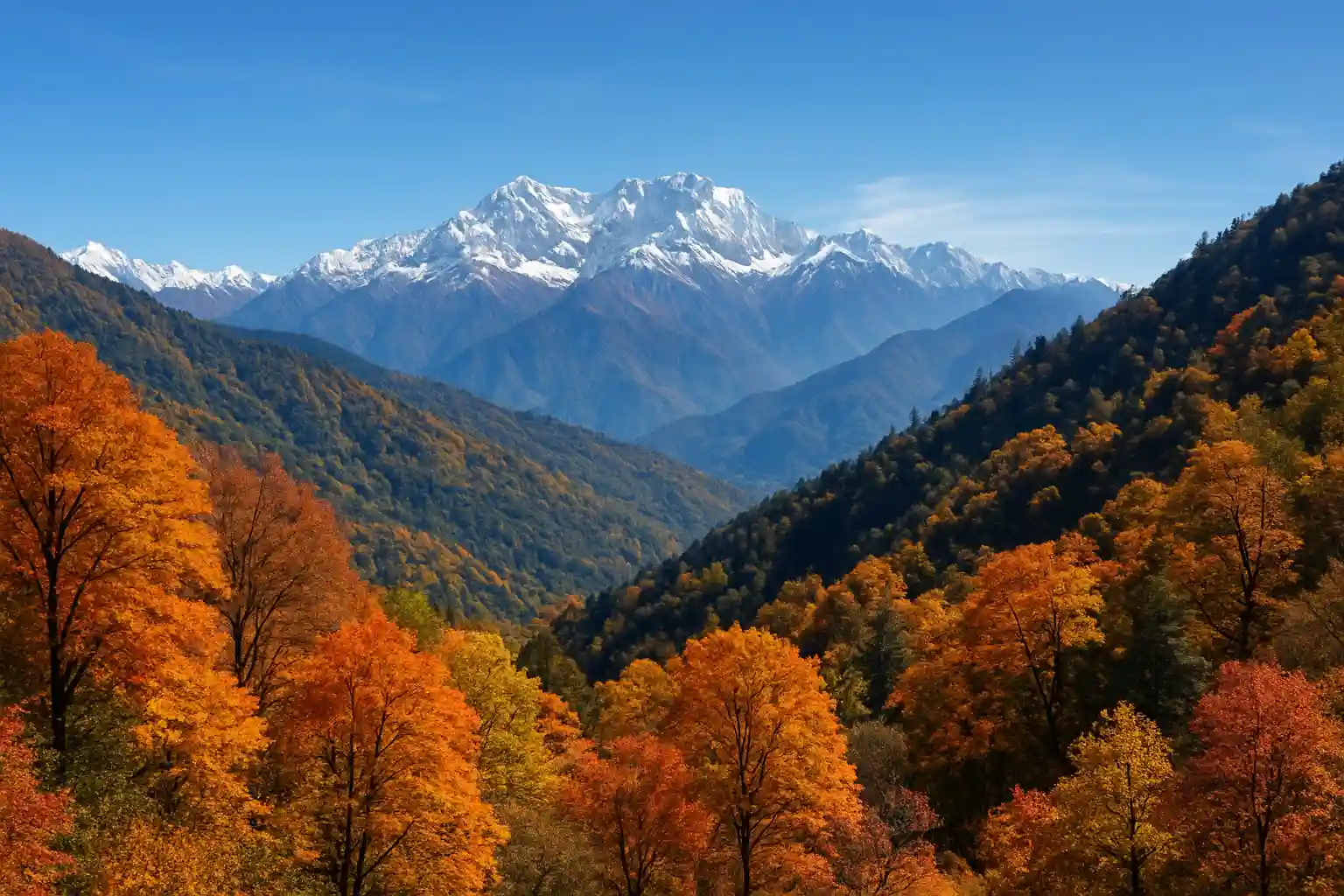
November is a beautiful month to visit Sikkim, as the weather remains pleasant, and the autumn colors are still vibrant. The crowds begin to thin out after October, allowing for a more relaxed travel experience. This is a great time for trekking and exploring the tranquil landscapes.
With the temperatures gradually dropping, it's advisable to carry warm clothing for the evenings. The local cuisine is also worth exploring, as many seasonal dishes are available during this time. Enjoy the peaceful ambiance of Sikkim and take the opportunity to visit the monasteries and local markets.
- Timings: Ideal for all-day activities, especially in the afternoon.
- Entry Fee: Check for entry fees for specific attractions.
12. December: The Chill of Winter Returns
Experience the quiet beauty of Sikkim in winter
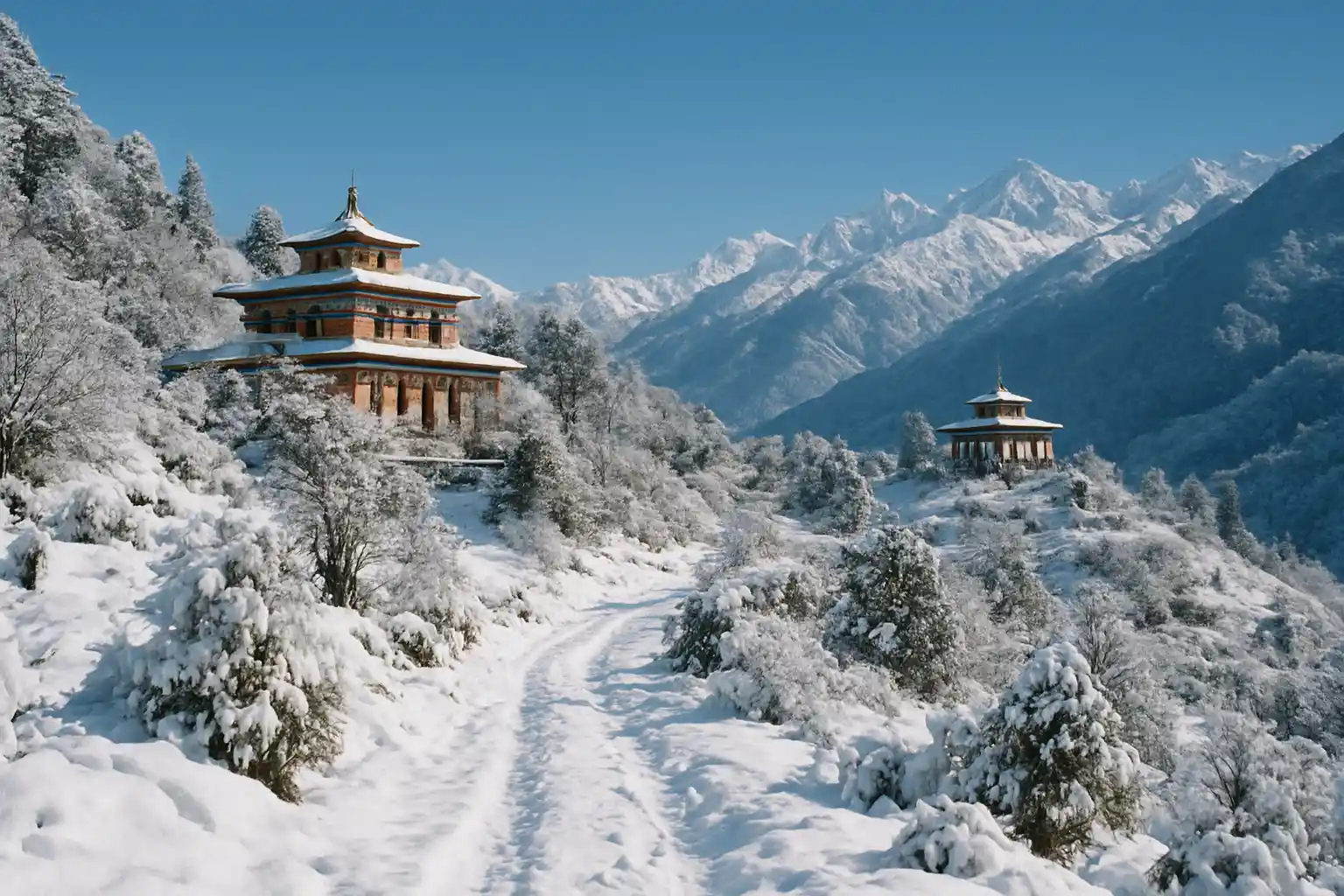
December brings back the winter chill to Sikkim, transforming it into a beautiful snowy landscape. The temperatures drop significantly, and many higher altitudes may become inaccessible due to snow. However, this is also a magical time to visit for those who enjoy winter activities.
Enjoy the tranquility of Sikkim’s monasteries, which are less crowded during this time. The festive spirit of Christmas and New Year is celebrated in many parts, giving travelers a glimpse into local traditions. Ensure you pack plenty of warm clothing to enjoy the crisp mountain air comfortably.
- Timings: Daytime visits for the best weather.
- Entry Fee: Permits may be required for certain areas.
13. Cultural Festivals: Celebrating Sikkim's Heritage
Dive into the vibrant festivals throughout the year
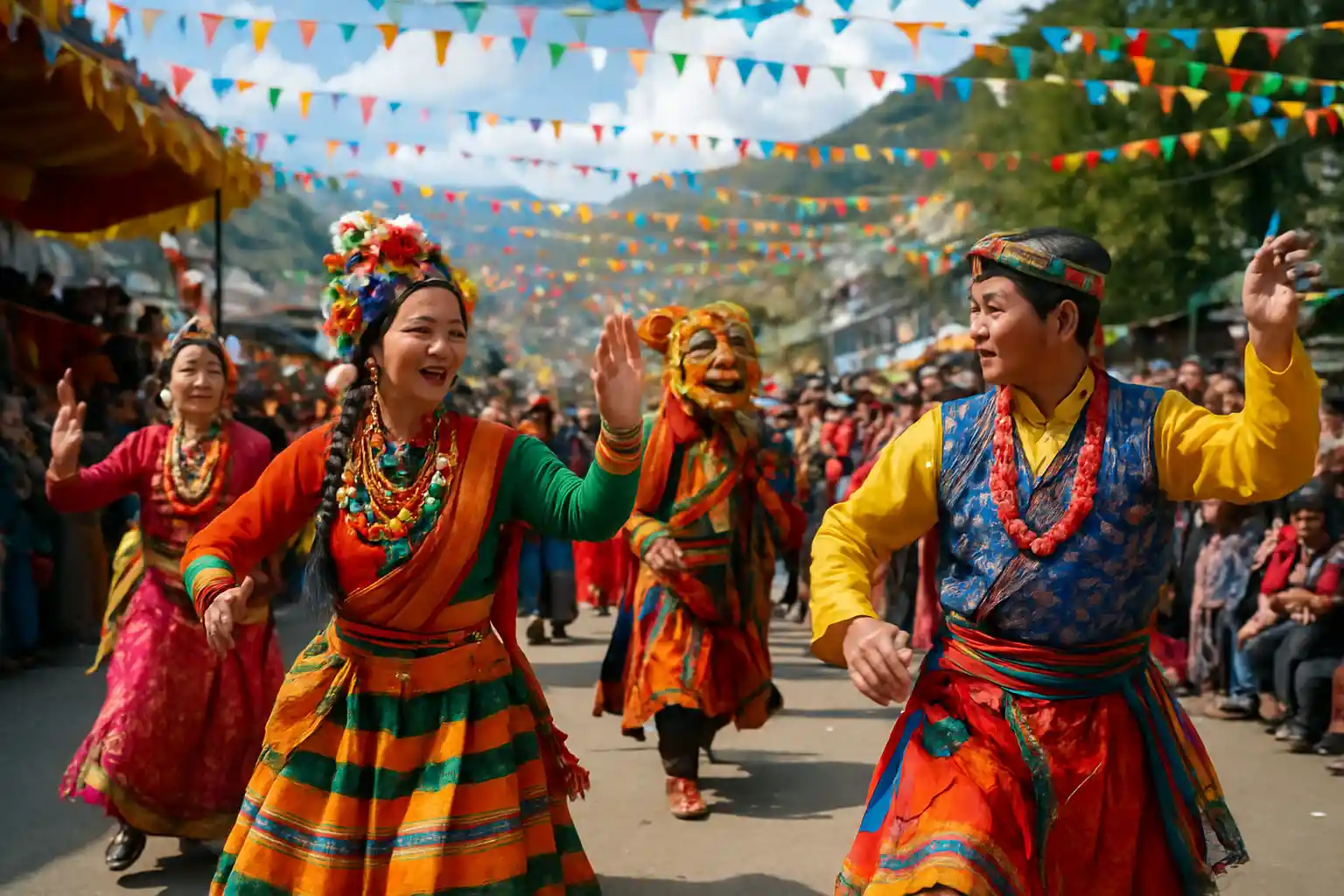
Sikkim is a land rich in culture and traditions, with various festivals celebrated throughout the year. From Losar (Tibetan New Year) in February to Buddha Jayanti in May, each festival offers a unique glimpse into the Sikkimese way of life. The vibrant colors, traditional music, and dance performances create an unforgettable atmosphere for visitors.
Participating in these festivals can provide travelers with deeper insights into Sikkim's culture, architecture, and culinary delights. Be sure to check the local calendar when planning your trip to experience these lively events.
- Timings: Varies based on the festival.
- Entry Fee: Generally free to attend public celebrations.
14. Adventure Activities: Thrill in Every Season
Engage in outdoor adventures all year round

Sikkim offers a plethora of adventure activities throughout the year, catering to thrill-seekers and nature lovers alike. From trekking and mountaineering in the warmer months to skiing and snowboarding in the winter, there’s never a dull moment in this Himalayan paradise. Popular trekking routes like Goecha La and Dzongri attract trekkers from around the globe.
During the summer, river rafting on the Teesta River is a must-experience for adrenaline junkies. Other activities include mountain biking and paragliding, offering unique perspectives of Sikkim's breathtaking landscapes. Each season brings its own charm, ensuring there's always something exciting to do.
- Timings: Varies based on activity and season.
- Entry Fee: Fees may apply for guided tours and adventure rentals.
15. Flora and Fauna: Discovering Nature’s Bounty
Explore the diverse ecosystems of Sikkim
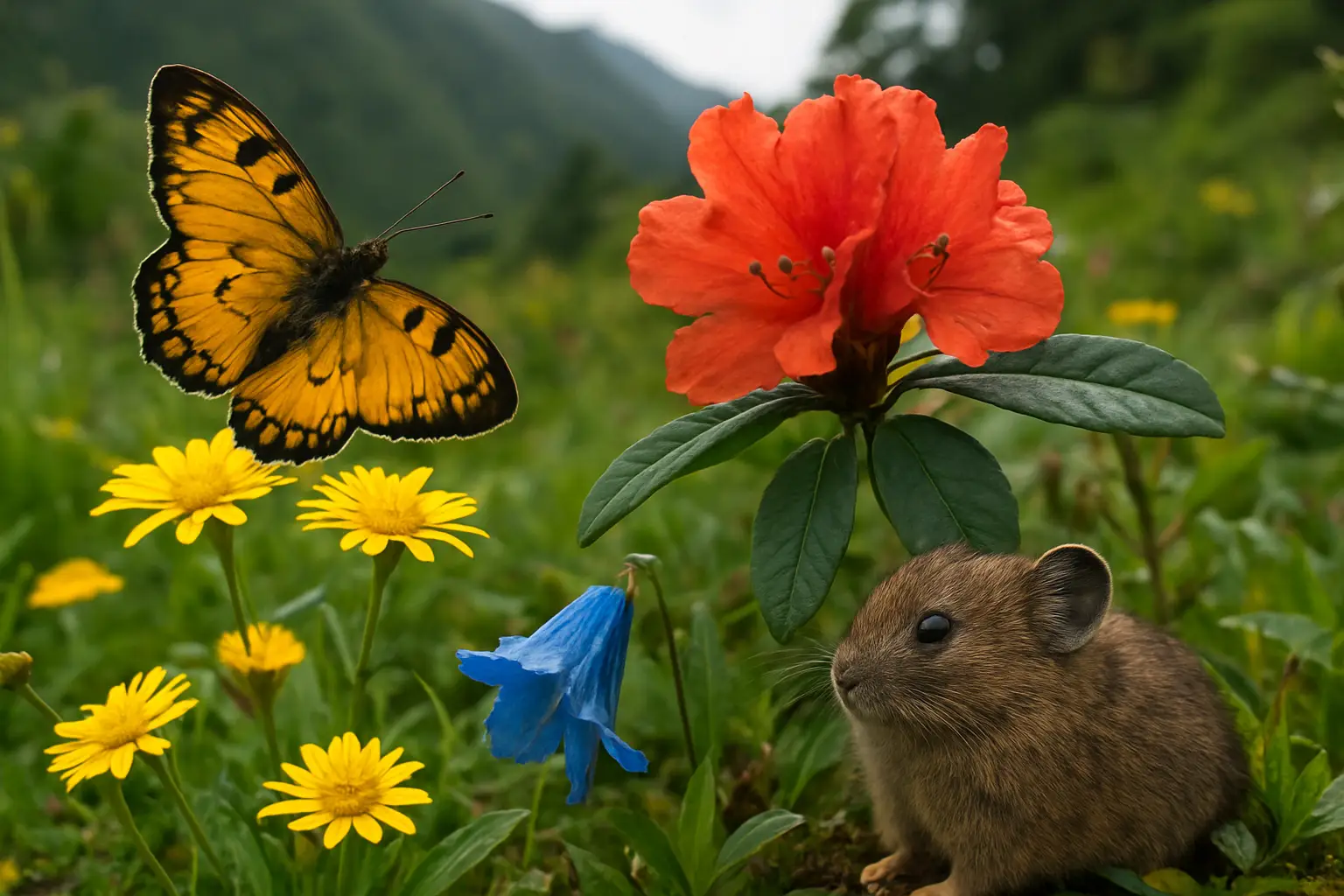
Sikkim is home to a rich array of flora and fauna, making it a paradise for nature lovers and wildlife enthusiasts. The state is known for its diverse ecosystems, ranging from tropical forests to alpine meadows, which host a wealth of plant species and wildlife. The Khangchendzonga National Park is a UNESCO World Heritage Site, offering protected habitats for numerous endangered species.
Fall in love with the region's stunning rhododendrons, orchids, and medicinal plants, while spotting rare species like the red panda and snow leopard. Engage in eco-tourism activities and guided nature walks to learn more about the local biodiversity and conservation efforts.
- Timings: Best explored during daylight hours.
- Entry Fee: National parks may have entry fees.
16. Culinary Delights: A Taste of Sikkim
Savor the flavors of Sikkimese cuisine
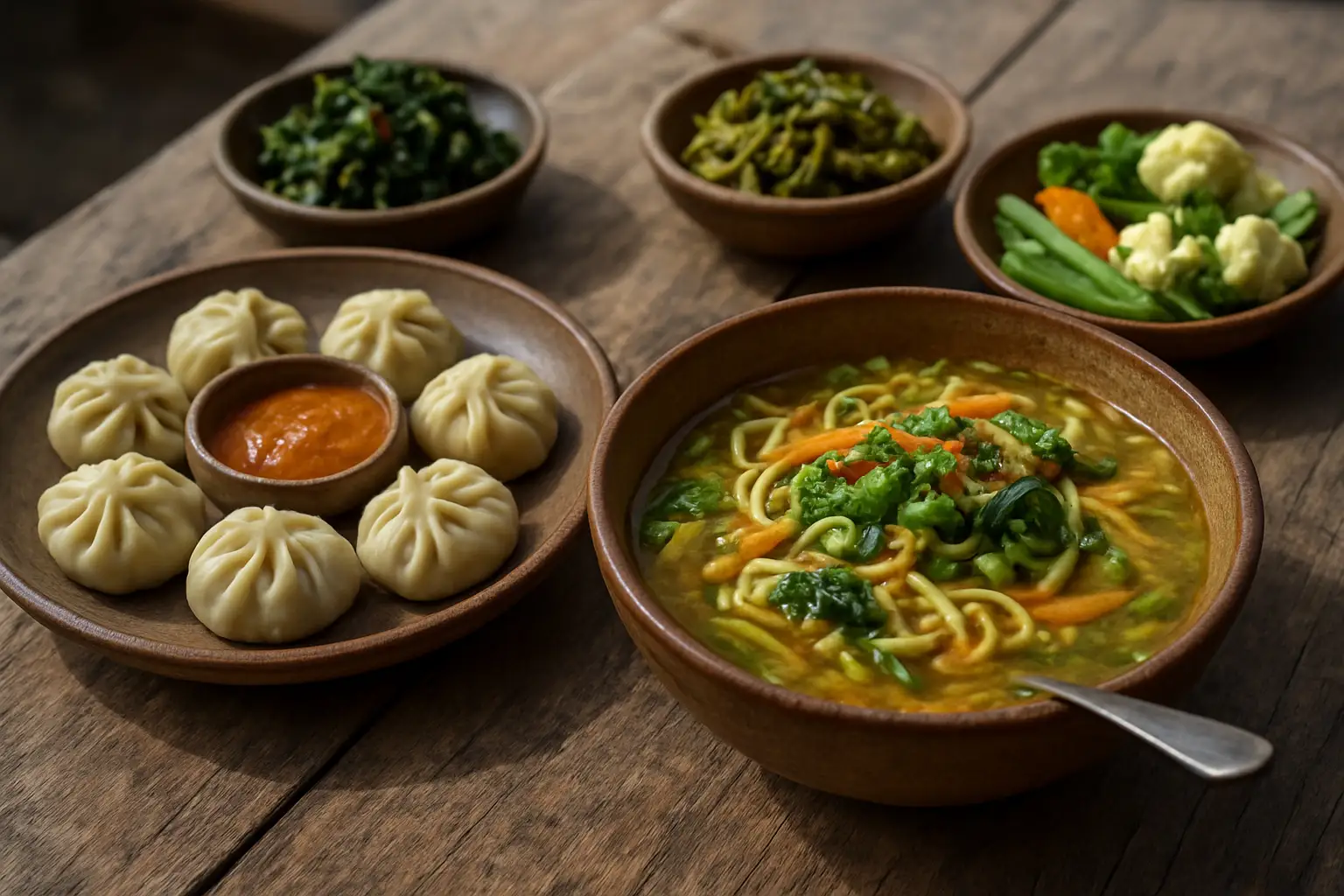
Sikkimese cuisine is a delightful blend of flavors, influenced by Tibetan, Nepalese, and Indian culinary traditions. Must-try dishes include thukpa (noodle soup), momos (dumplings), and gundruk (fermented leafy greens). Many local eateries and homestays offer authentic meals that are both delicious and reflective of the region's culture.
Exploring the local markets is a great way to discover fresh produce and spices unique to Sikkim. Engage in cooking classes to learn how to prepare traditional dishes, adding a unique flavor to your travel experience. Don’t forget to try local beverages like chaang and the refreshing sikkimese tea.
- Timings: Available throughout the day at local eateries.
- Entry Fee: No fees for sampling street food.
17. Monasteries: A Spiritual Journey
Visit Sikkim’s serene monasteries for peace and reflection
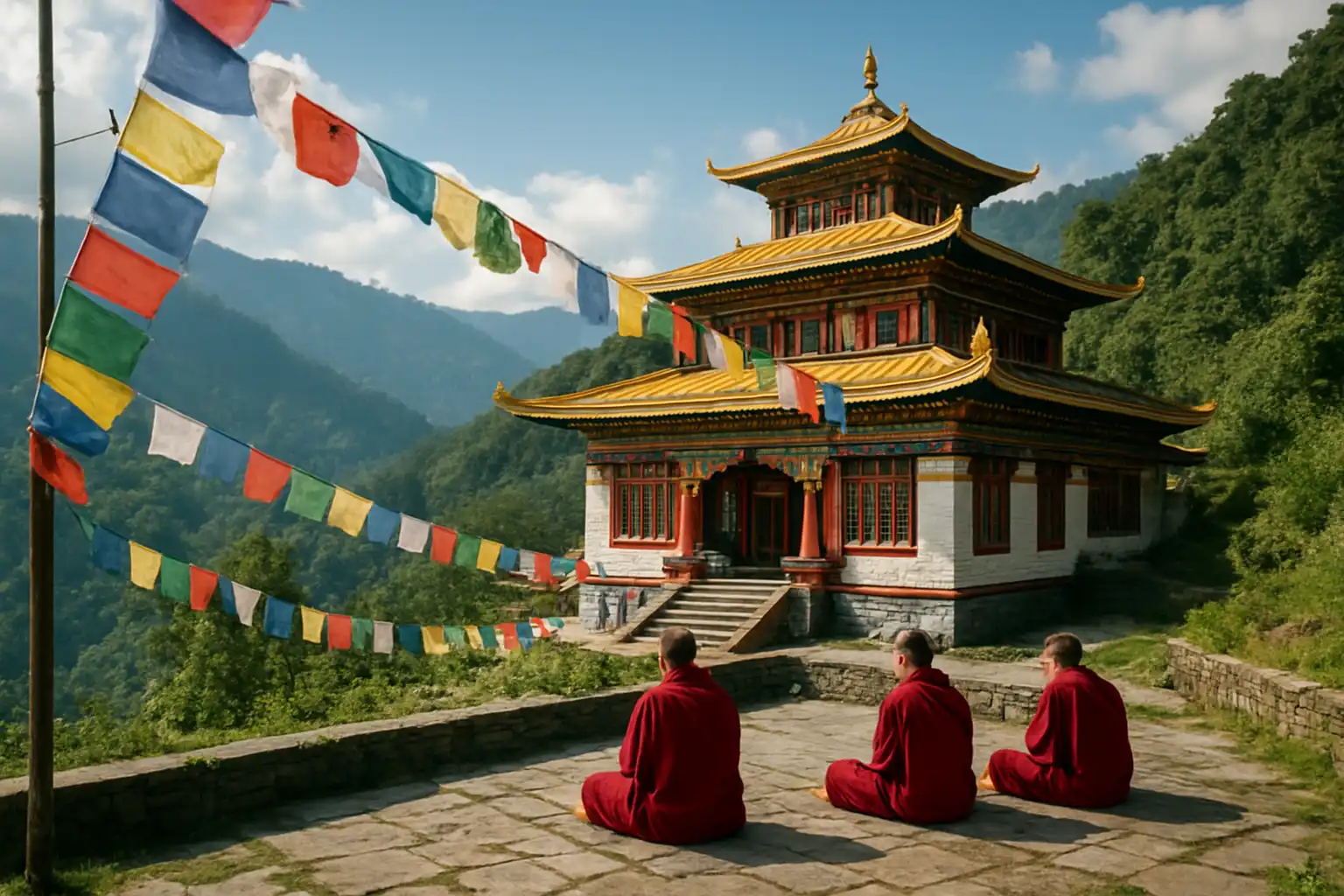
Sikkim is dotted with beautiful monasteries, each offering a glimpse into the region's rich Buddhist heritage. From the iconic Rumtek Monastery to the serene Pemayangtse Monastery, these spiritual retreats provide peace and tranquility. Visitors can witness mesmerizing prayer rituals, explore ancient artifacts, and learn about Buddhist philosophy from resident monks.
Many monasteries are located in picturesque settings, making them ideal for meditation and reflection. Engage with the local community by participating in festivals and ceremonies held in these spiritual centers.
- Timings: Generally open from morning till evening.
- Entry Fee: Minimal fees may apply at certain sites.
18. Local Markets: Shop for Unique Souvenirs
Explore colorful markets filled with handicrafts and local produce
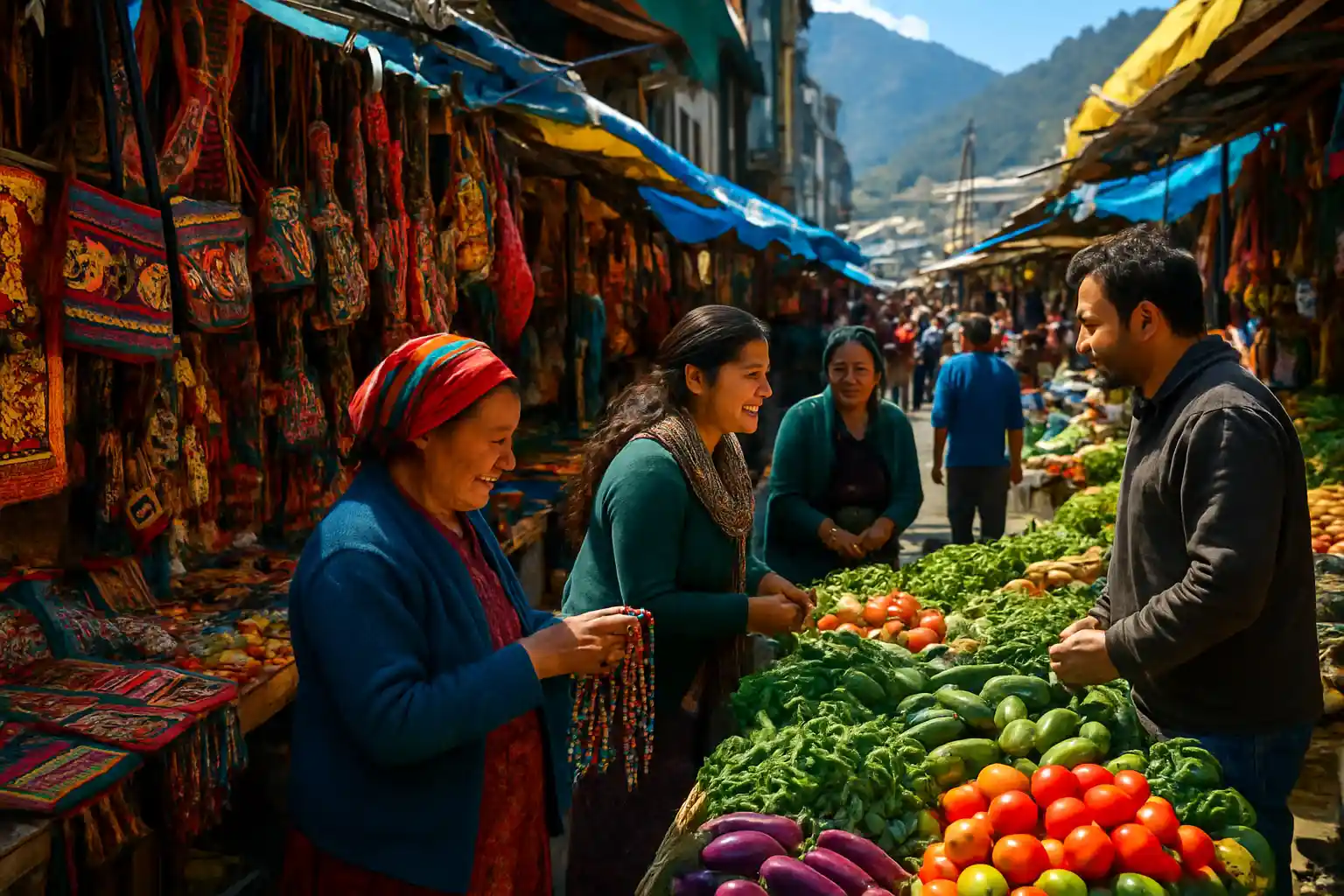
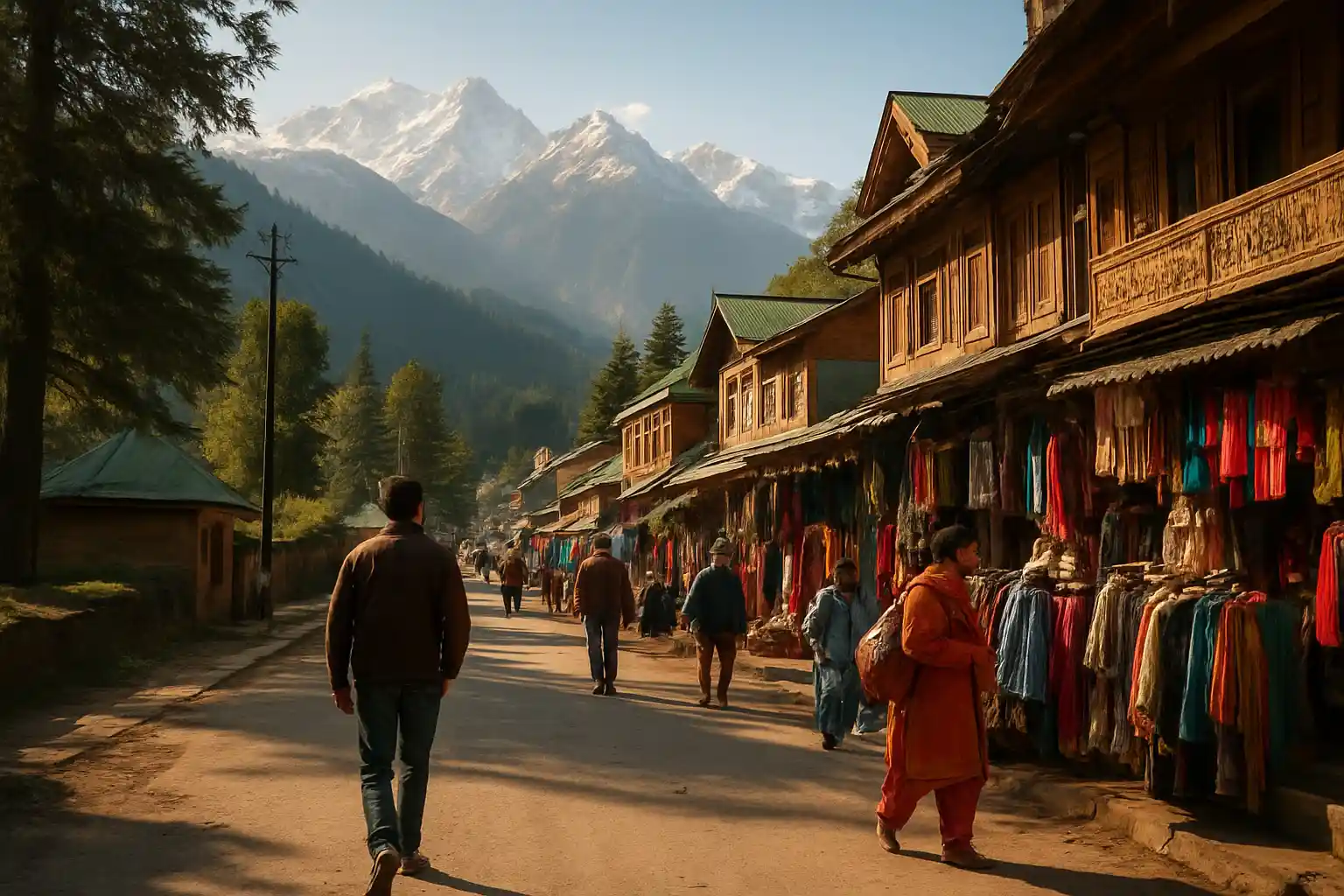
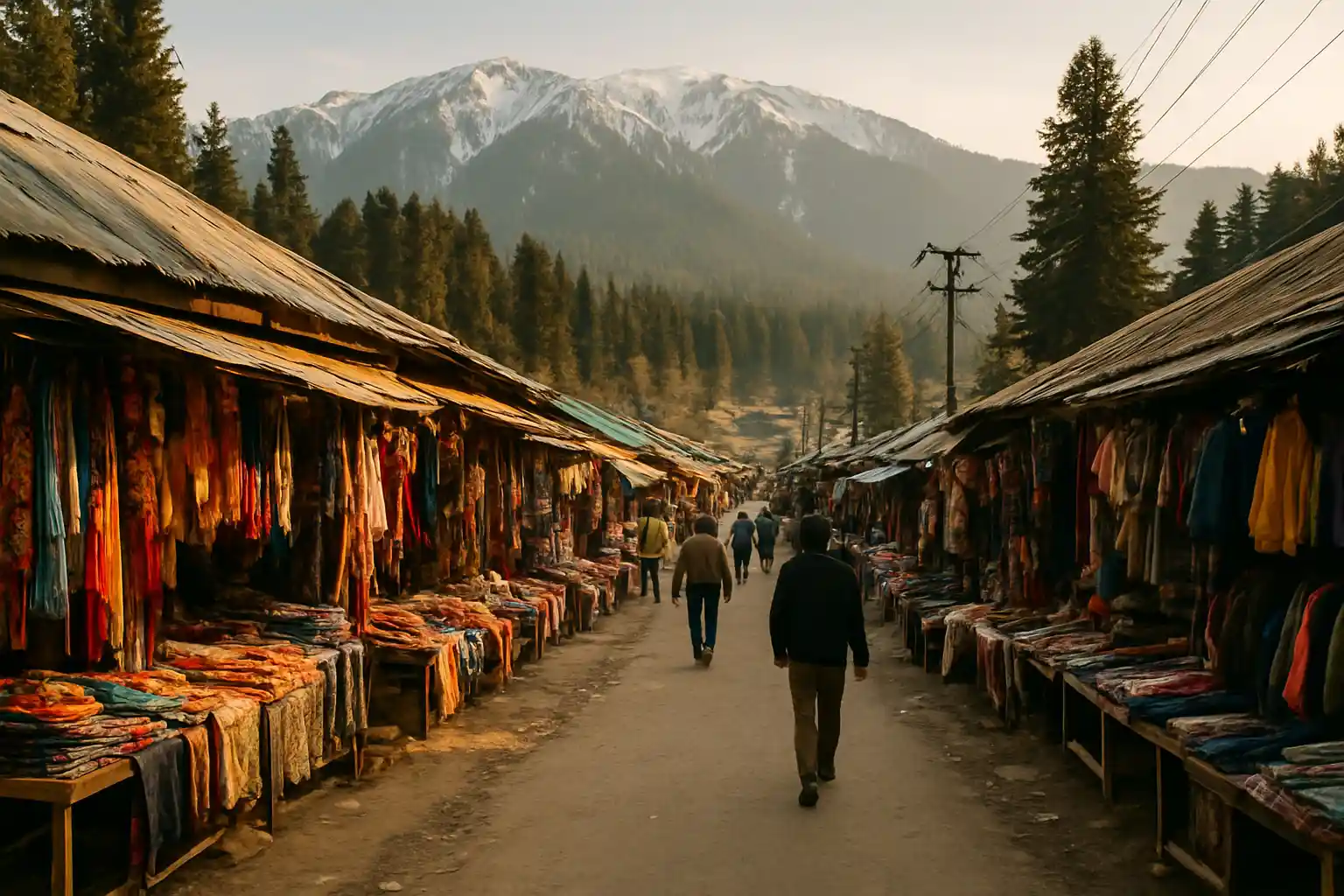
Visiting local markets in Sikkim is a delightful experience, allowing travelers to immerse themselves in the local culture. Markets like M.G. Marg in Gangtok are bustling with vendors selling everything from handicrafts to fresh produce. These markets are perfect for picking up unique souvenirs such as handwoven shawls, traditional jewelry, and organic spices.
Engage with local artisans and learn about their crafts while enjoying the lively atmosphere filled with the sounds of bargaining and laughter. Don’t miss the chance to try street food specialties while exploring the vibrant stalls.
- Timings: Generally open from morning till late evening.
- Entry Fee: Free to explore.
19. Scenic Drives: Journey Through Breathtaking Landscapes
Experience the beauty of Sikkim on the road
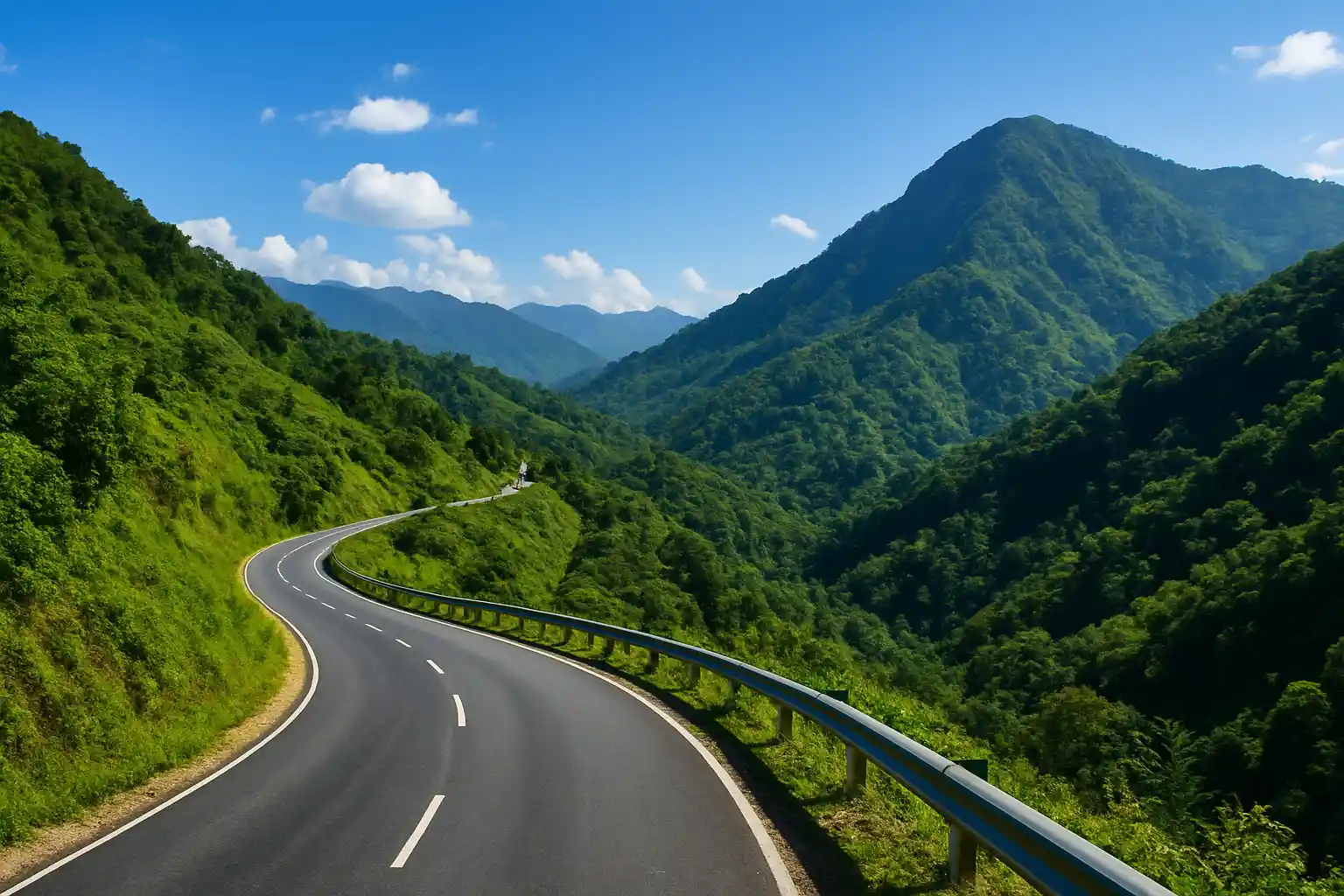
Driving through Sikkim offers some of the most breathtaking views in the country, with winding roads that cut through lush forests and offer panoramic vistas of the Himalayas. Routes like the Gangtok to Nathula and Gangtok to Pelling are particularly popular, showcasing stunning landscapes at every turn.
Renting a car or hiring a local driver can enhance your experience, allowing you to stop at scenic viewpoints and small villages along the way. The journey itself becomes an integral part of your Sikkim adventure, providing countless photo opportunities and moments of wonder.
- Timings: Best during daylight hours.
- Entry Fee: Check for any permit requirements for specific areas.
20. Wellness Retreats: Rejuvenate in Nature
Indulge in wellness and relaxation amidst the mountains

Sikkim is not only about adventure and sightseeing; it also offers numerous wellness retreats that focus on rejuvenation and relaxation. Many resorts and spas provide traditional Ayurvedic treatments, yoga sessions, and meditation practices, all set against the backdrop of stunning mountain views.
Taking time to unwind at these retreats can provide a perfect balance to your travel itinerary. Enjoy spa treatments that use local herbs and natural ingredients, facilitating both physical and mental well-being. It's a great way to recharge after exploring the region's rugged terrains.
- Timings: Varies by retreat; typically operates during the day.
- Entry Fee: Fees apply for treatments and packages.
21. Nature Trails: Discover Sikkim’s Biodiversity
Hike through diverse ecosystems and stunning landscapes
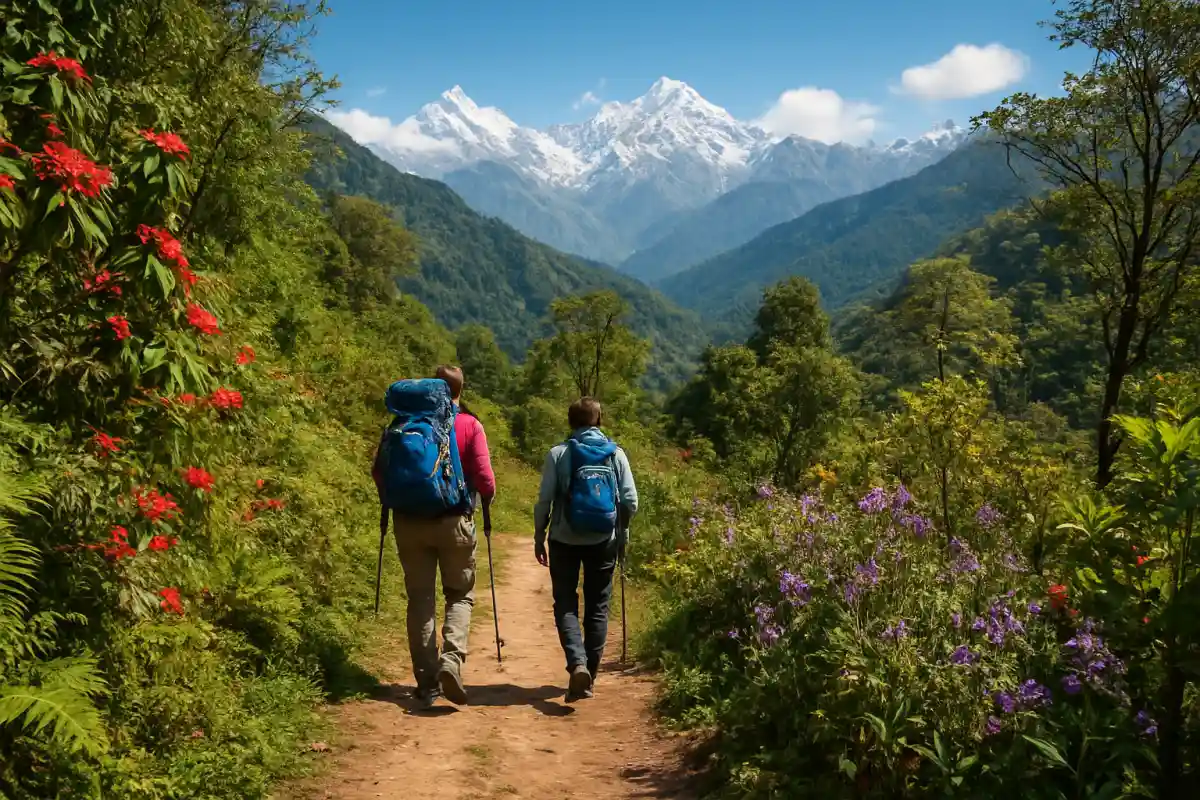
Sikkim offers numerous nature trails that allow visitors to explore its rich biodiversity. Trails range from easy walks to challenging hikes, catering to all levels of fitness. The Kanchenjunga National Park and the Singalila National Park are popular areas for trekking, where you can observe a variety of flora and fauna in their natural habitats.
Guided nature walks can enhance your understanding of the region's ecosystems, while spotting wildlife such as Himalayan black bears and numerous bird species. Carrying a good camera is essential to capture the stunning landscapes and unique wildlife encounters along the way.
- Timings: Best explored during daylight hours.
- Entry Fee: Fees may apply for national parks.
22. Photography: Capturing Sikkim’s Beauty
Tips for photographing Sikkim’s stunning landscapes
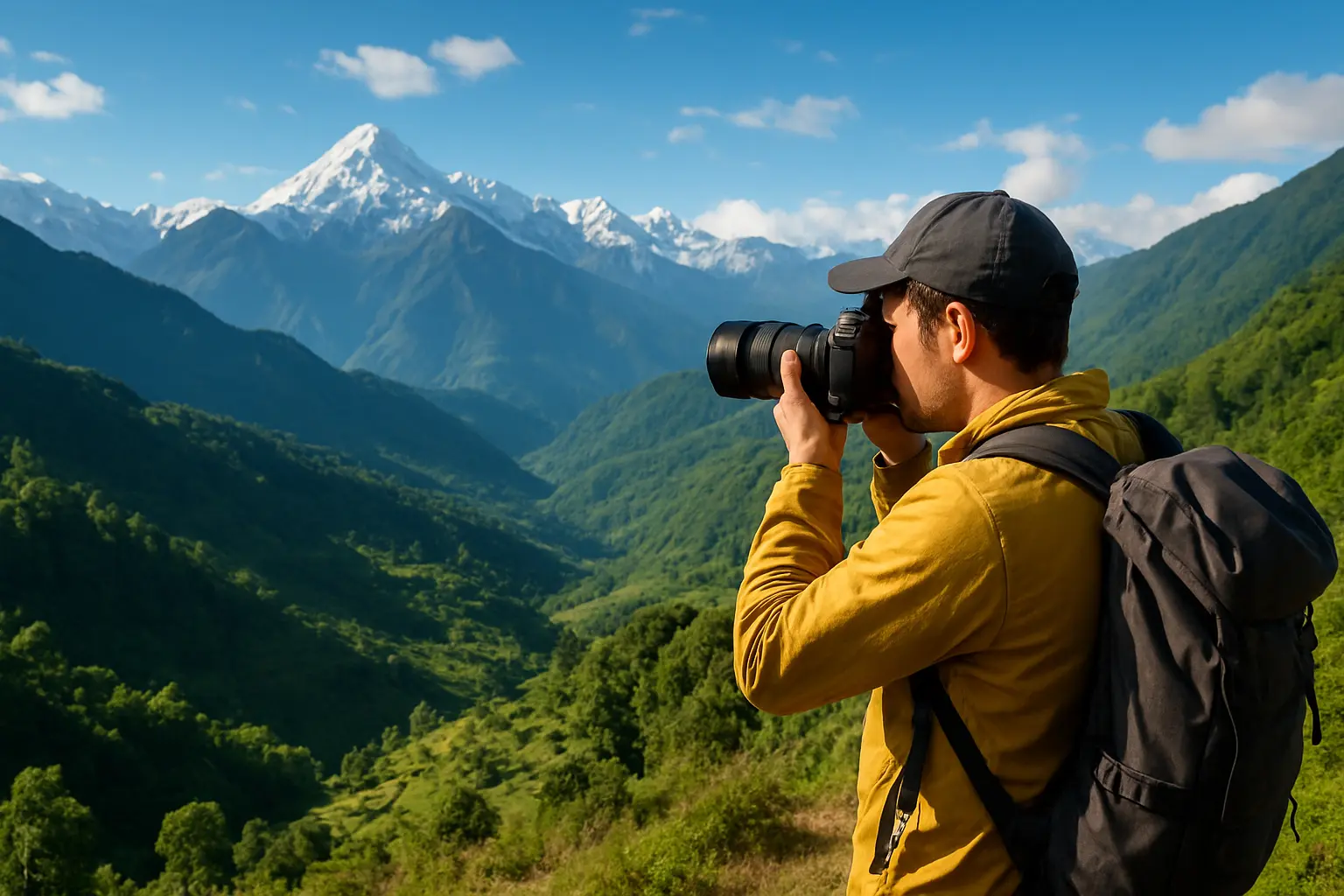
Sikkim is a photographer's paradise, with stunning landscapes, vibrant markets, and rich cultural experiences waiting to be captured. Whether you're a professional or an amateur, there are endless opportunities to take breathtaking photographs. The best times for photography are during the golden hours of sunrise and sunset when the colors are most vibrant.
Focusing on local culture by photographing festivals, traditional attire, and daily life can add depth to your portfolio. Don't forget to pack extra batteries and memory cards, as you'll want to capture every moment of Sikkim's beauty.
- Timings: Early mornings and late afternoons are ideal.
- Entry Fee: No fees for photography, but check for permits in certain areas.
23. Local Etiquette: Navigating Sikkimese Culture
Respecting traditions and customs while traveling
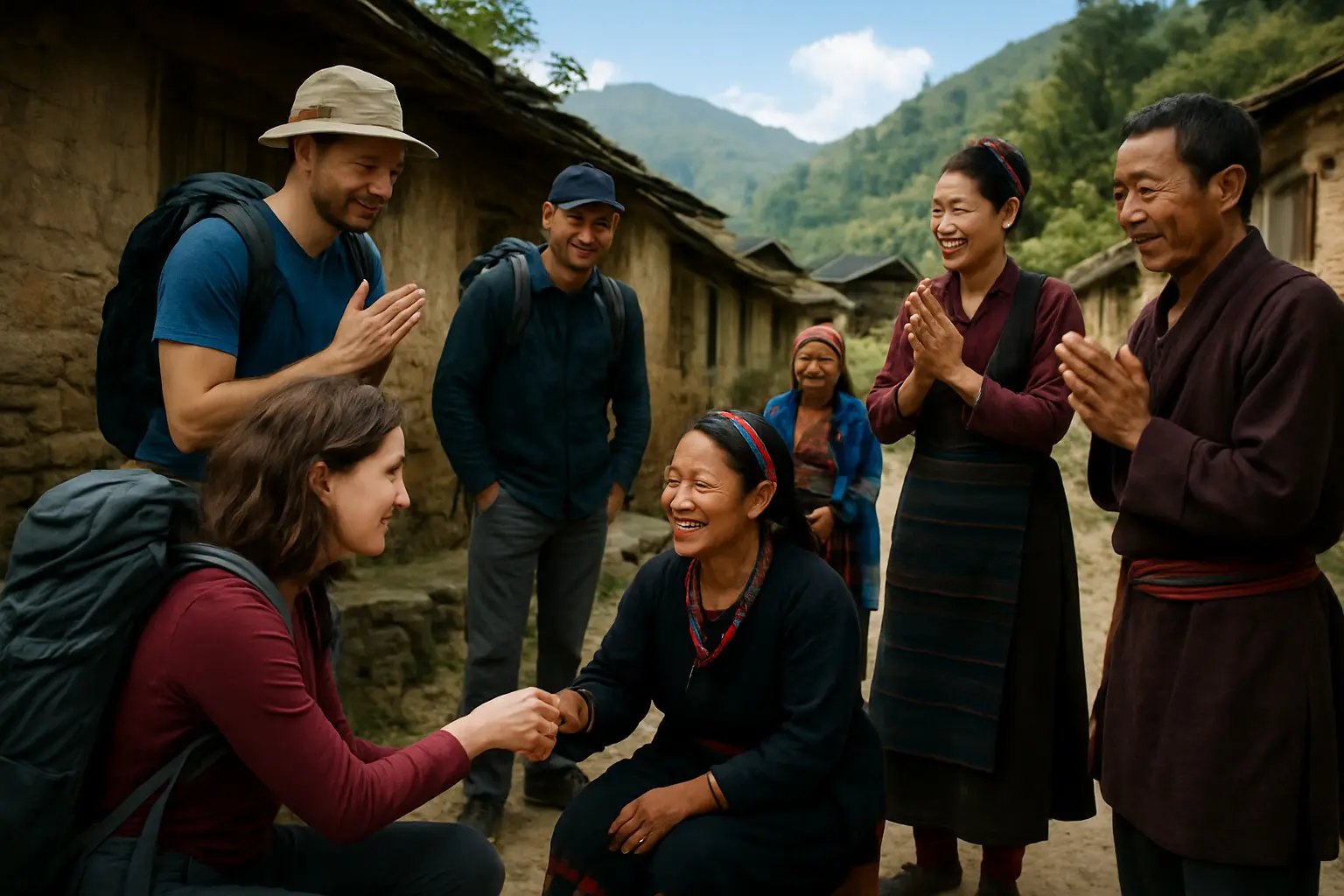
Understanding local customs and etiquette is essential for a respectful and enjoyable visit to Sikkim. The Sikkimese people are known for their hospitality, and simple gestures like greeting locals with a smile can go a long way. When visiting monasteries, dress modestly, and follow any specific guidelines regarding photography and behavior.
Engaging with locals through conversations and asking permission before taking photos of people or sacred sites reflects respect for their culture. Learning a few words in the local language can also enhance your interactions and show appreciation for the region's rich heritage.
- Timings: Respect local customs at all times.
- Entry Fee: No fees; just a respectful demeanor.
24. Best Accommodations: Where to Stay in Sikkim
Choosing the right place for your stay
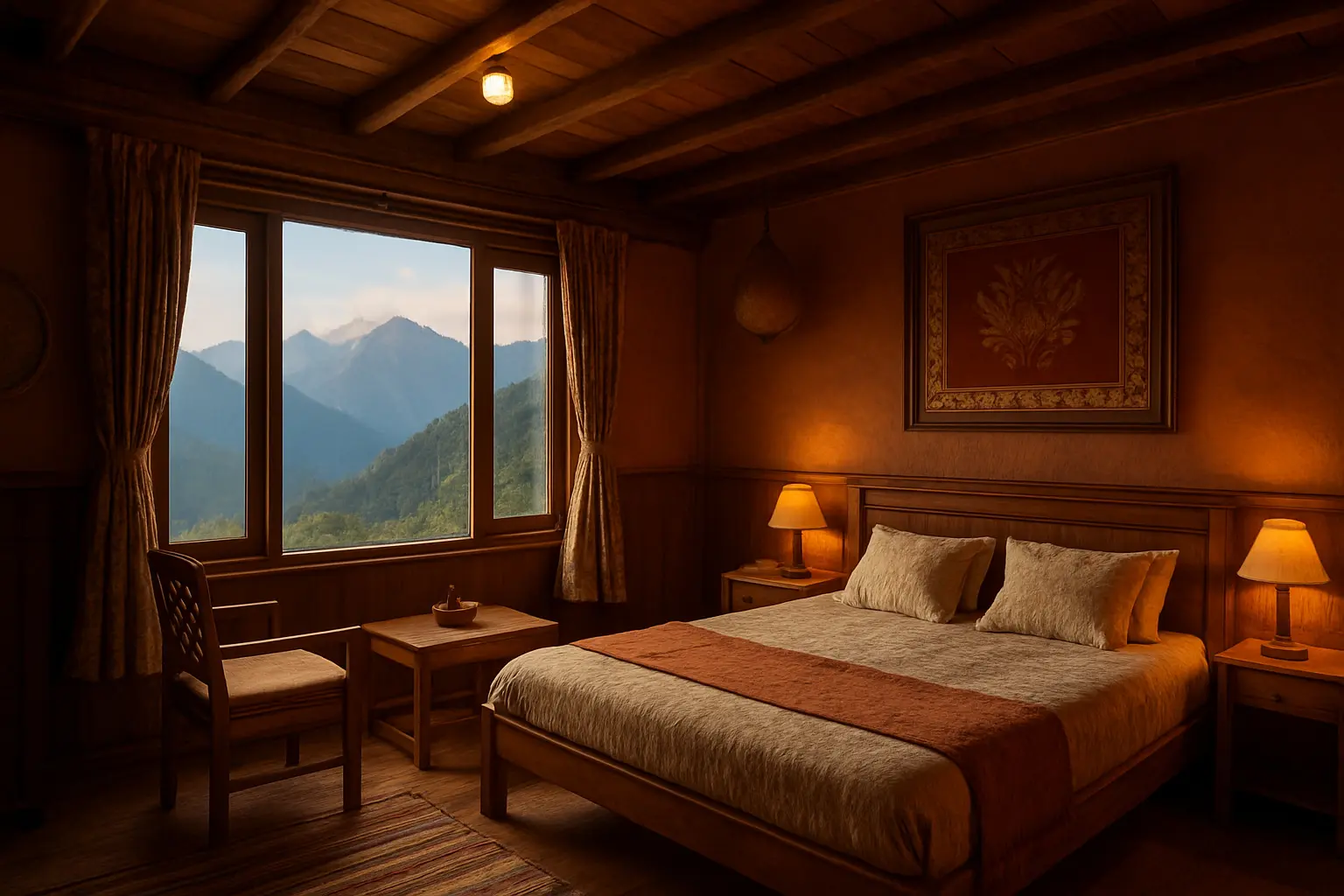
Sikkim offers a range of accommodation options, from luxury resorts to budget-friendly homestays. Staying at a homestay can provide an authentic experience, allowing travelers to interact with local families and learn about their way of life. Many homestays offer home-cooked meals and guided tours of nearby attractions.
For those seeking comfort and luxury, various hotels and resorts provide stunning views of the mountains and modern amenities. It's advisable to book accommodations in advance, especially during peak seasons, to ensure a comfortable stay.
- Timings: Check-in and check-out timings vary by property.
- Entry Fee: No entry fees; booking fees may apply.
25. Safety Tips: Traveling Wisely in Sikkim
Ensuring a safe and enjoyable journey
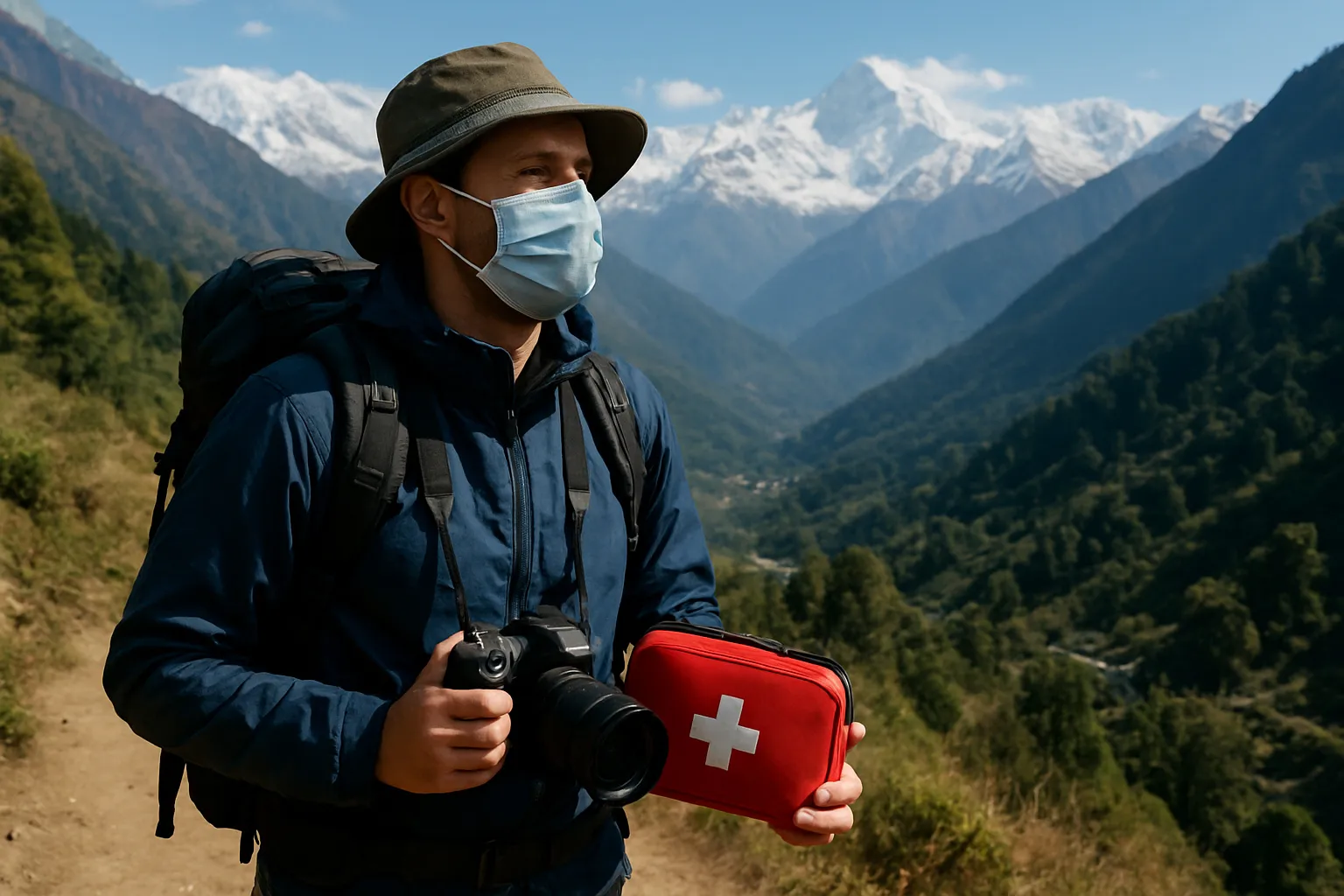
Safety is paramount while traveling in Sikkim. Ensure you have all necessary permits for restricted areas, especially when visiting border regions. Traveling during daylight hours is advisable, as some roads can be challenging in the dark. Keep emergency contacts handy and inform someone about your travel plans.
Staying hydrated and acclimatizing to higher altitudes is essential to avoid altitude sickness. It's also wise to keep a basic first aid kit and any necessary medications on hand. By following these safety tips, you can enjoy all that Sikkim has to offer with peace of mind.
- Timings: Always prioritize safety during travel.
- Entry Fee: No fees; just common sense and preparation.